Whoever affirms that usury is no sin is a heretic (§ 2)
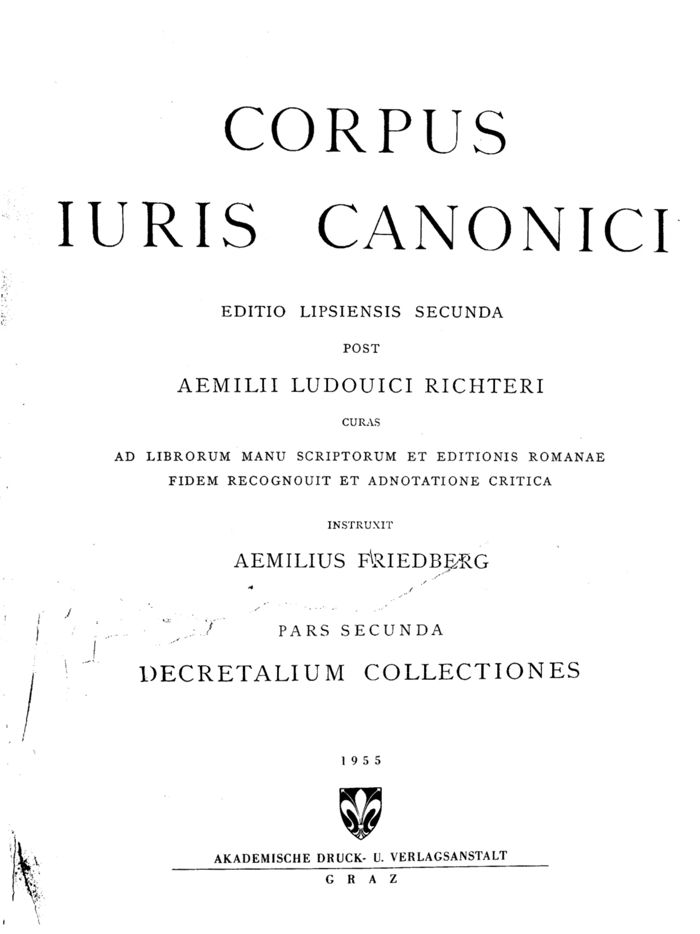
Latin: Friedberg vol. 2, col. 1184, scan, right column, last lines. Highlighted: Lecky’s words.
§ 2. Indeed, if anyone shall have fallen into that error, so as to presume to affirm obstinately that to practise usury is not a sin, we decree that he is to be punished as a heretic, enjoining, moreover, more strictly on the ordinaries of places and the inquisitors of heretical pravity that against those whom they find defamed of, or suspected of, an error of this kind they shall not fail to proceed as against persons defamed of, or suspected of, heresy.
Original Latin
§. 2. Sane, si quis in illum errorem inciderit, ut pertinaciter affirmare praesumat, exercere usuras non esse peccatum: decernimus, cum velut haereticum puniendum, locorum nihilominus ordinariis et haereticae pravitatis inquisitoribus districtius iniungentes, ut contra eos, quos de errore huiusmodi diffamatos invenerint aut suspectos, tanquam contra diffamatos vel suspectos de haeresi procedere non omittant.
| Lecky | Friedberg (as printed) |
|---|---|
| in istum errorem | in illum errorem |
| praesumat exercere usuras | praesumat, exercere usuras |
| decernimus eum velut haereticum puniendum. | decernimus, cum velut haereticum puniendum, locorum nihilominus … non omittant. |
Lecky’s Latin has the ligature “hæreticum” and “præsumat” where this edition prints “haereticum” and “praesumat”. The differences in the table are the only ones in the words he quotes. Lecky ends at “puniendum” and so leaves out the instruction to the inquisitors.
Editor’s notes on this page
Lecky’s Latin is the second paragraph of the single chapter of the Clementine title De usuris. He quotes it nearly word for word and stops before the clause that tells bishops and inquisitors to proceed against anyone defamed or suspected of the error. His “istum” is the edition’s “illum”; the edition’s “cum velut haereticum” (read on the image) looks like a misprint for “eum”, which Lecky has.
The first paragraph of the chapter, which Lecky does not quote, is the decree against the statutes of Italian communes that allow or enforce the payment of usury: officials who make or enforce them are excommunicated.
Further down the rabbit hole
Sources that Lecky cites in the notes next to the ones that cite this page.
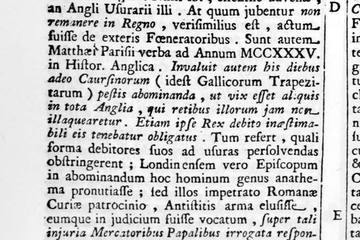
- Muratori, Antiquitates Italicae, dissertation XVI“Sodom and Cahors”: how medieval Christians became moneylenders
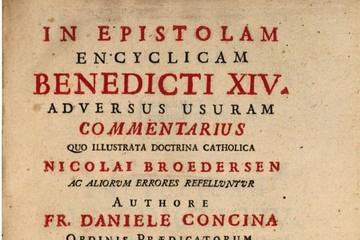
- Concina, Adversus usuram and De spectaculisA Dominican against interest and against the stage: the pope’s own polemicist
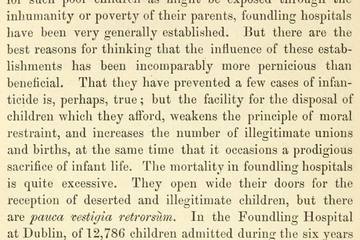
- M’Culloch, Principles of Political Economy and the Wealth of NationsFoundlings, Calvin on interest, and Scotland’s last serfs, in a Victorian economist’s footnotes
- Bédarride, Les Juifs en France, en Italie et en EspagneWhen Christianity came to power, the Jews’ persecution began, and a Pope wrote that God does not rejoice in bloodshed
- Augustine, Enarratio in Psalmum XXXVI, sermo 3, § 6More than given, even in wheat or wine, is usury
- Bayle, Dictionnaire historique et critiqueWhat Bayle really said about Augustine and Socinus
Backlinks
Every place in Rationalism in Europe that links to this page (generated automatically when the site is built).
- Chapter VI: note 46