The two kinds of tyrant (p. 539–540)
Latin: p. 539 (left column, bottom) to p. 540, scan. Highlighted: the words Lecky uses.
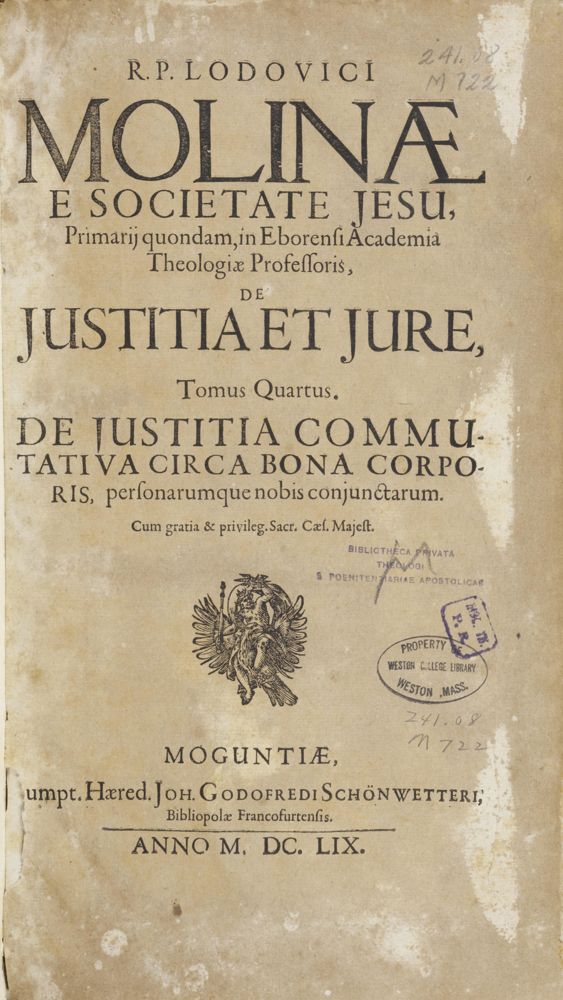
As to the second part, a distinction must be made. For a man is a tyrant in two ways. In the first, because though he is truly lord of the commonwealth in which he exercises tyranny, he governs it wrongly and unjustly. In the second, because he is not lord of the commonwealth but holds it usurped and oppressed.
It is unlawful for private persons to kill a tyrant of the first kind. Yet anyone could defend himself against him, repelling force with force with the moderation of blameless defence, and kill him, if that were necessary to defend his own life, which he wished to take unjustly. The commonwealth itself could also come together by its heads, and resist him, and by sentence depose him from the administration, if his excesses and the common good so required, and punish him once deposed. Before the sentence it would, however, be unlawful for private persons to kill him, except when, as has been said, it was altogether necessary to defend the life he wished to take unjustly. …
But a tyrant of the second kind any member of the commonwealth may lawfully kill, unless greater evils for the commonwealth would threaten from the killing, for then by killing him he would sin against love of the commonwealth; or unless the man who wanted to kill him had a superior to whom he ought to have recourse, and by whose authority he ought to do it. …
Original Latin
Quod verò ad secundam attinet, distinguendum est. Quoniam duobus modis aliquis est tyrannus. Uno, quia licet sit vere dominus reipublicæ, in qua tyrannidem exercet, inique tamen atque injustè eam administrat. Altero verò, quoniam non est reipublicæ dominus, sed eam usurpatam habet ac oppressam.
Tyrannum primo modo nefas est privatis interficere. Posset tamen unusquisque ab eo se defendere, vim vi repellendo cum moderamine inculpatæ tutelæ, eumque interficere; si ita esset opus ad propriam vitam defendendam, quam ille injustè auferre vellet. Posset item respublica ipsa quo ad capita convenire, eique resistere, lataque sententia, deponere illum ab administratione, si id ita excessus illius, communeque bonum, efflagitarent, atque illum depositum punire. Ante latam tamen sententiam nefas privatis esset, eum interficere, nisi quando, ut dictum est, necessarium omnino esset ad vitæ defensionem, quam injustè vellet auferre. …
Tyrannum verò secundo modo quivis de republica potest licitè interficere, nisi ex ea interfectione majora mala reipublicæ imminerent: nam tunc contra reipublicæ caritatem peccaret illum interficiendo: aut nisi, qui illum vellet interficere, haberet superiorem, ad quem recurrere deberet, & cujus auctoritate id efficere deberet. …
| Lecky, 1865 (note 67) | Molina | |
|---|---|---|
| First kind | Tyrannum primo modo nefas est privatis interficere; possit tamen respublica quoad capita convenire, eique resistere, lataque sententia deponere ab administratione atque illum depositum punire. | Tyrannum primo modo nefas est privatis interficere. Posset tamen unusquisque ab eo se defendere … Posset item respublica ipsa quo ad capita convenire, eique resistere, lataque sententia, deponere illum ab administratione, si id ita excessus illius, communeque bonum, efflagitarent, atque illum depositum punire. |
| Second kind | Secundo modo tyrannum quivis de republica potest licite eum interficere. | Tyrannum verò secundo modo quivis de republica potest licitè interficere, nisi … (two exceptions, above) |
What Lecky leaves out: (1) the right of self-defence against the first kind of tyrant; (2) the condition “si id ita excessus illius, communeque bonum, efflagitarent” for deposition; (3) both exceptions to killing a usurper; and (4) Molina’s later citation of Aquinas and of Caesar’s killing as approved, which is not Lecky’s point. He also writes “licite eum interficere”, where the print has “licitè interficere” without “eum”. In his text Lecky says only that Molina “expressed the same opinion with still greater emphasis” as Sa. On the evidence of this page the emphasis is not greater than Sa’s; I have not read Sa.
Editor’s notes on this page
Lecky quotes Molina in note 67 as teaching that it is wrong for a private man to kill a tyrant of the first kind, but that anyone may lawfully kill a tyrant of the second kind. The Latin he prints is a condensation, not a quotation: it joins phrases from two places on p. 539, supplies “eum”, and leaves out three qualifications. Molina allows killing a usurper only if greater evils to the commonwealth would not follow, and only without a higher authority to appeal to; and his rule about a lawful tyrant lets the state, not an individual, act. Lecky’s sense is fair in the main, but the version he gives is stronger than Molina’s.
Further down the rabbit hole
Sources that Lecky cites in the notes next to the ones that cite this page.
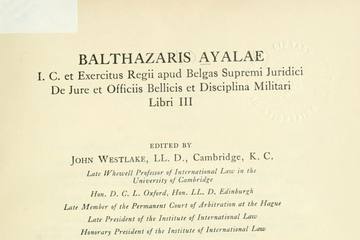
- Ayala, De jure et officiis bellicisAnyone may kill a usurper, not a lawful prince
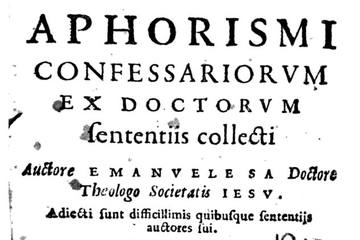
- Sá, Aphorismi confessariorumLecky quotes Sá word for word on tyrants
- Toletus, Instructio sacerdotumA usurper may be killed, a lawful tyrant may not
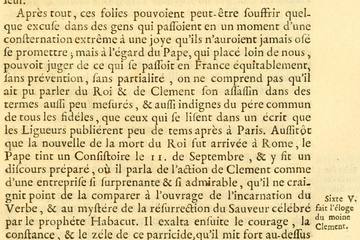
- De Thou, Histoire universelle, book 96A pope praises the murder of a king
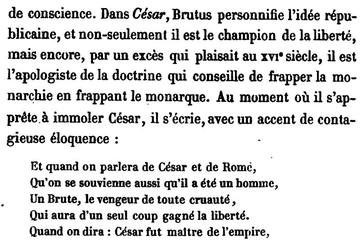
- Chasles, La Comédie en France au seizième siècleA Renaissance Brutus, reprinted when Henri IV was murdered
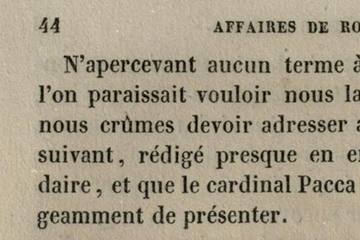
- Lamennais, Affaires de RomeLacordaire’s memorial to the Pope: why the Church in France needed liberty, not privilege

Backlinks
Every place in Rationalism in Europe that links to this page (generated automatically when the site is built).
- Chapter V: note 67