The Tavola Amalfitana (Introduction, p. 11)
Italian: p. 11, scan. Highlighted: the Amalfi sentences.
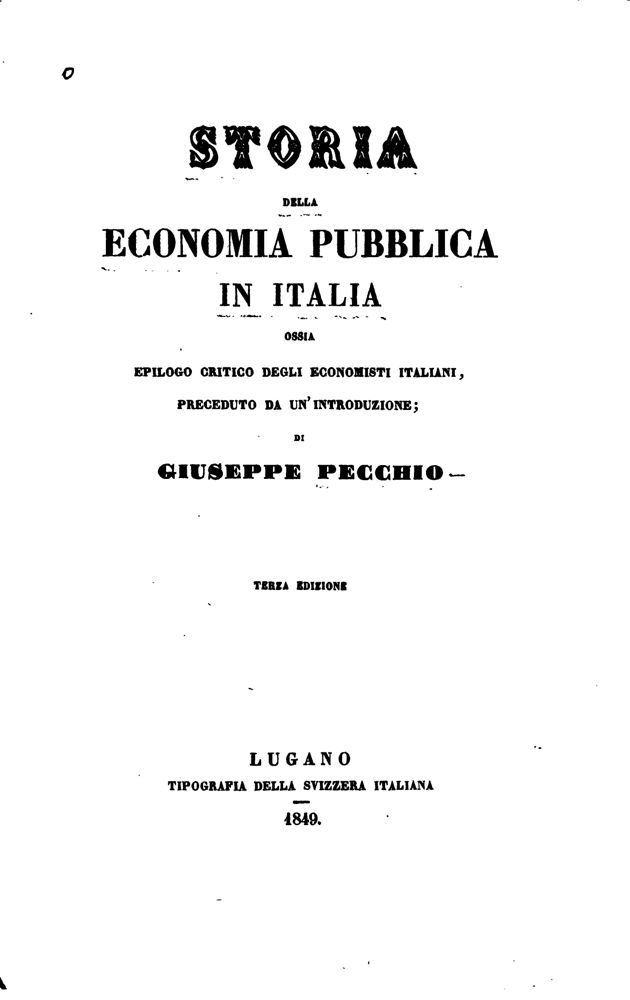
Not only had these republics prospered before the science was born, but they had also put into practice almost all the expedients which the science afterwards collected, explained and perfected in order to lead peoples to wealth. Either Pisa, or Barcelona, or, more probably from the name, Amalfi was the first to introduce the maritime code known under the name of the Tavola Amalfitana, which became the code of seafarers. To Amalfi also some ascribe the discovery of the compass. The republic of Milan practised the census of lands as early as 1260. Venice as early as 1171 found in loans a new and extraordinary source of finance. …
Original Italian
Non solo queste repubbliche avevano prosperato prima che la scienza nascesse, ma avevano altresì messi in pratica quasi tutti gli espedienti che poscia la scienza raccolse, spiegò, perfezionò per condurre i popoli alla ricchezza. O Pisa, o Barcellona, o più verosimilmente dal nome, Amalfi introdusse la prima il codice marittimo conosciuto sotto il nome di Tavola Amalfitana, che divenne il codice de’ naviganti. Ad Amalfi pure si attribuisce da alcuni la scoperta della Bussola. La repubblica di Milano fin dal 1260 praticò il censimento delle terre. Venezia fin dal 1171 trovò ne’ prestiti una sorgente nuova e straordinaria di finanze. …
Lecky’s sentence has no “accidental discovery” and no “manuscript of Roman laws” in this passage. It is possible that Lecky draws on another page of Pecchio or on another work and has cited the wrong page; I did not find it in a search of Pecchio’s text for “Pandette”. The footnote is left as printed.
Editor’s notes on this page
Lecky writes: “The accidental discovery at Amalphi of a manuscript of Roman laws is said to have produced the navigation laws”, and cites Pecchio, p. 11. What Pecchio says on that page is different: that Pisa, Barcelona or (more probably, from the name) Amalfi was the first to introduce the maritime code known as the Tavola Amalfitana, which became the code of seafarers, and that some ascribe the invention of the compass to Amalfi. The page says nothing about a manuscript of Roman laws or about an accidental discovery. The story of the Pandects found at Amalfi is a different, older tradition; I have not found it in a keyword search of the OCR, and so Lecky’s note does not support the sentence it is attached to, at least in this printing.
Further down the rabbit hole
Sources that Lecky cites in the notes next to the ones that cite this page.
- Storch, Cours d’économie politiqueA tutor to the Russian grand dukes on usury laws that backfire
- Van Bruyssel, Histoire du commerce et de la marine en BelgiqueThirty kingdoms trading with Flanders, and a friar who called murder ‘meritorious’
- Bédarride, Les Juifs en France, en Italie et en EspagneWhen Christianity came to power, the Jews’ persecution began, and a Pope wrote that God does not rejoice in bloodshed
- Benedict XIV, Vix pervenitAny gain beyond the loan is unlawful usury
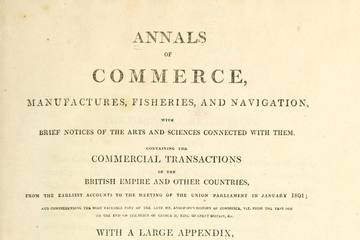
- Macpherson, Annals of CommerceMacpherson’s 1346 consul footnote is not about English consuls
- Augustine, Enarratio in Psalmum XXXVI, sermo 3, § 6More than given, even in wheat or wine, is usury
Backlinks
Every place in Rationalism in Europe that links to this page (generated automatically when the site is built).