Who may depose a king (§ 15–16, p. 680)
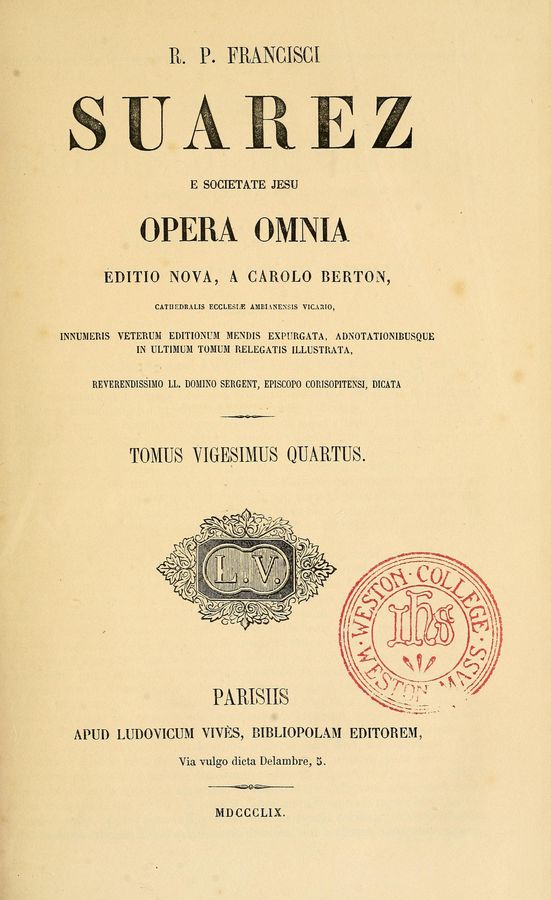
Latin: p. 680, scan (notes 41 and 43). Highlighted: Lecky’s words.
14. … This is made clearer in the case of a heretic king, for at once, through heresy, he is deprived in some way, ipso facto, of the lordship and ownership of his kingdom, because it either remains confiscated or passes by that very right to the lawful Catholic successor; and nevertheless he cannot at once be deprived of the kingdom, but possesses and administers it justly until he is condemned by a sentence, at least a declaratory one, of the crime …
15. … this power of deposing a king can be either in the state itself or in the Supreme Pontiff, but in different ways. For in the state it is only by way of defence, necessary for its own preservation, as I said above (book 3, ch. 3). And so if a lawful king governs tyrannically and the kingdom has no other remedy for defending itself than to expel and depose the king, the whole state may depose him by public and common counsel of the cities and nobles, both by the force of natural law, by which it is lawful to repel force with force, and because this case, always necessary for the state’s own preservation, is understood to be excepted in that first compact by which the state transferred its power to the king. …
16. But in the Supreme Pontiff this power is as in a superior having jurisdiction to correct kings, even supreme ones, as his subjects …
Original Latin
14. … Declaratur hoc amplius in rege hæretico, nam statim per hæresim ipso facto privatur aliquo modo dominio et proprietate sui regni, quia vel confiscatum manet, vel ad legitimum successorem catholicum ipso jure transit, et nihilominus non potest statim regno privari, sed juste illud possidet et administrat donec per sententiam saltem declaratoriam criminis condemnetur, juxta cap. Cum secundum leges, de Hæret., in 6. …
15. … potestatem hanc deponendi regem esse posse vel in ipsa republica, vel in Summo Pontifice, diverso tamen modo. Nam in republica solum per modum defensionis necessariæ ad conservationem suam, ut supra lib. 3, cap. 3, dixi. Ideoque si rex legitimus tyrannice gubernet, et regno nullum aliud subsit remedium ad se defendendum, nisi regem expellere ac deponere, poterit respublica tota, publico et communi consilio civitatum et procerum, regem deponere, tum ex vi juris naturalis, quo licet vim vi repellere; tum quia semper hic casus, ad propriam reipublicæ conservationem necessarius, intelligitur exceptus in primo illo fœdere, quo respublica potestatem suam in regem transtulit. …
16. At vero in Summo Pontifice est hæc potestas tanquam in superiori habente jurisdictionem ad corripiendum reges, etiam supremos, tanquam sibi subditos …
Lecky’s note 41 is accurate; his dots stand for “ut supra lib. 3, cap. 3, dixi. Ideoque … deponere”. The ligatures and punctuation here are the edition’s, not necessarily Lecky’s copy’s.
Killing a deposed king (§ 18, p. 681)
Latin: p. 681, scan (notes 42 and 45).
… So, then, when the state can justly depose a king, his ministers act rightly in compelling the king, or in killing him, if it is necessary, because they act no longer by private but by public power. … In the same way, if the Pope deposes a king, he can be expelled or killed only by those to whom the Pope himself has committed it. If he commissions no one to carry it out, it will belong to the lawful successor in the kingdom …
Original Latin
… Ita ergo, quando respublica juste potest regem deponere, recte faciunt ministri ejus regem cogendo, vel interficiendo, si sit necesse, quia jam non potestate privata, sed publica operantur. … Eodemque modo si Papa regem deponat, ab illis tantum poterit expelli vel interfici, quibus ipse id commiserit. Quod si nulli executionem imperet, pertinebit ad legitimum in regno successorem …
Notes 42 and 45 are accurate. Lecky begins note 45 at “Si Papa regem deponat”, dropping “Eodemque modo”.
“Omnis anima” (§ 20, p. 682)
Latin: p. 682, scan (note 34).
… Though Paul indeed said, Let every soul be subject to the higher powers, he never added: even to powers excommunicated or deprived by the Pope let all be subject; nor can the one be inferred from the other, since they are far different, not to say opposed, for a deprived king is no longer a higher power. …
Original Latin
… Certe licet Paulus dixerit: Omnis anima potestatibus sublimioribus subdita sit, nunquam addidit: Etiam potestatibus excommunicatis vel deprivatis a Papa omnes subditi sint; neque unum ex alio colligi potest, cum sint longe diversa, ne dicam veluti opposita, nam rex deprivatus jam non est sublimior potestas. …
| Lecky, 1865 (note 34) | Suárez, p. 682 | |
|---|---|---|
| Text | Certe licet Paulus dixerit “omnis anima potestatibus sublimioribus subdita sit” nunquam addidit, etiam potestatibus excommunicatis; vel deprivatis a papa. | … nunquam addidit: Etiam potestatibus excommunicatis vel deprivatis a Papa omnes subditi sint; … |
Lecky puts a semicolon after “excommunicatis”, and ends before “omnes subditi sint”, which completes the sense. Lecky’s English gloss (“as one of the leading supporters of the Papal party put it with amusing coolness”) is fair.
Book III, ch. 2: “No political rule is immediately from God” (p. 209, § 10)
Latin: Vivès ed. (Paris, nineteenth century), vol. 24, Defensio fidei lib. III, cap. ii (“Utrum principatus politicus immediate a Deo sit, seu ex divina institutione”, pp. 206–), § 10 on p. 209, right column (scan). Italics as printed.
10. No political rule is immediately from God. — From all this it is finally concluded that no king or monarch has, or has had (by the ordinary law), political rule immediately from God or by divine institution, but through the medium of human will and institution. This is an excellent axiom of theology — not in mockery, as the king put it, but truly, because rightly understood it is most true, and most necessary for understanding the ends and limits of civil power. Nor is it new, or invented by Cardinal Bellarmine, as the said king seems to attribute it to him; for long before, Cardinal Cajetan taught it in his Apology, or tract. 2 on the Authority of the Pope, pt. 2, ch. 10; and Castro, On Penal Laws bk. 1, ch. 1; and Driedo, On Christian Liberty bk. 1, ch. 19; and Vitoria, in the Relectio on Civil Power, n. 8 and following. …
Original Latin
10. Nullus principatus politicus est immediate a Deo. — Ex quibus tandem concluditur nullum regem vel monarcham habere vel habuisse (secundum ordinariam legem) immediate a Deo, vel ex divina institutione, politicum principatum, sed mediante humana voluntate et institutione. Hoc est egregium Theologiæ axioma, non per irrisionem, ut rex protulit, sed vere, quia recte intellectum verissimum est, et ad intelligendos fines et limites civilis potestatis maxime necessarium. Non est autem novum, aut a Cardinali Bellarmino inventum, ut prædictus rex illi attribuere videtur; nam multo antea illud docuit Cardinalis Cajetanus, in Apologia, seu tract. 2 de Auctoritat. Papæ, p. 2, c. 10; et Castr., lib. 1 de Leg. pœnal., c. 1; et Dried., lib. 1 de Libertat. Christ., c. 19; et Victor., in Relect. de Potestat. civil., n. 8 et sequent. …
Lecky (vol. II, ch. V, notes 38 and 40, “Suarez, De Fide, lib. iii. cap. 2”) says that for some schoolmen “a pope was directly and immediately the representative of the Almighty, but a king derived his power directly from the people”, and that Suarez “devoted himself especially to the question of the mediate or immediate nature of the Divine Right of Kings” in a book “written in reply to one by James I. of England”. All accurate: the chapter opens (§ 1) by naming “Jacobus Rex” as holding that the king has his power “not from the people, but immediately from God”, and attacking Bellarmine for denying it (the “rex” mocked above is James). Suarez’s fuller statement that God gives the power to kings only mediately, having given it immediately to the people who transferred it to the king, follows in § 11 ff. on p. 210 (read from the OCR, not yet checked on the page image).
Editor’s notes on this page
Lecky says Suárez taught that a nation may depose a tyrant, and that the Pope may depose a heretic prince, who may then be killed only by those whom the Pope has commissioned. The Latin he prints is Suárez’s own, with ellipses where Suárez cites other authors.
One small thing: in note 34 Lecky ends a sentence at “vel deprivatis a papa”, with a semicolon, where Suárez goes on “omnes subditi sint” (“all are subjects”). The cut does not change the sense.
Further down the rabbit hole
Sources that Lecky cites in the notes next to the ones that cite this page.
- Bianchi, Traité de la puissance ecclésiastiqueAn Ultramontane friar on when a people may depose its king, and the Scot who ‘sold his pen’ to James I
- Mariana, De rege et regis institutioneBook I, chapter 6, “Is it lawful to kill a tyrant?”
- Bossuet, Defensio declarationis cleri gallicaniKings as fathers: “Abimelech” means “My father the king”
- Aquinas, Summa theologiae, II-IIHeretics and forgers; the usurper’s subjects
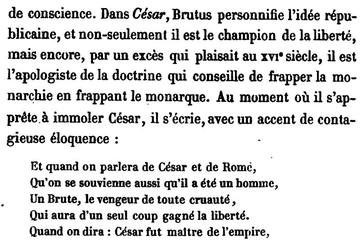
- Chasles, La Comédie en France au seizième siècleA Renaissance Brutus, reprinted when Henri IV was murdered
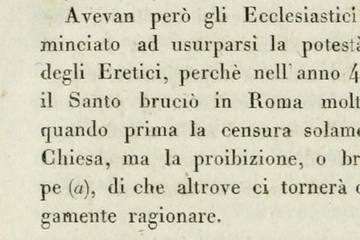
- Giannone, Istoria civile del regno di NapoliThe first pope to burn books on his own authority
Backlinks
Every place in Rationalism in Europe that links to this page (generated automatically when the site is built).