“Qui est-ce qui ne penserait que Christ fût quelque Moloch” (p. 31)
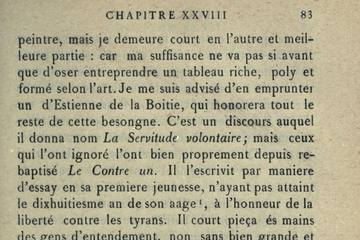
French: pp. 30–31, scan p. 31. Highlighted: the part corresponding to Lecky’s Latin.
… For who would wish to become a Christian, when he sees that those who confess the name of Christ are murdered by Christians with fire, water and sword, without any mercy, and treated more cruelly than brigands or murderers? Who would not think Christ some Moloch, or some such god, if he wants men sacrificed to him and burned alive? Who would wish to serve Christ on such a condition, that if now, among so many controversies, he is found to differ in anything from those who have power and dominion over others, he should be burned alive by Christ’s command, even more cruelly than in the bull of Phalaris? Yes, even if he called on Christ in a loud voice in the midst of the flame, and cried with full throat that he believes in him. Suppose that Christ, who is judge of all, were present, and himself pronounced the sentence and set the fire: who would not take Christ for a Satan? For what else could Satan do, but burn those who invoke the name of Christ? …
Original French
… Car qui est-ce qui voudrait devenir Chrétien, quand il voit que ceux qui confessent le nom de Christ sont meurtris des Chrétiens par feu, par eau, par glaive, sans aucune miséricorde, et traités plus cruellement que des brigands ou meurtriers ? Qui est-ce qui ne penserait que Christ fût quelque Moloch, ou quelque tel Dieu, s’il veut que les hommes lui soient immolés, et brûlés tout vifs ? Qui est-ce qui voudrait servir à Christ à telle condition, que si maintenant entre tant de controverses, il est trouvé discordant en quelque chose, avec ceux qui ont puissance et domination sur les autres, il soit brûlé tout vif, par le commandement de Christ, même plus cruellement que dedans le taureau de Phalaris ? Voire quand il réclamerait Christ à haute voix au milieu de la flamme, et crierait à pleine gorge qu’il croit en lui. Prends le cas que Christ, qui est le juge de tous, soit présent, et prononce lui-même la sentence, et mette le feu : qui est-ce qui n’aura Christ pour un Satan ? Car que saurait faire autre chose Satan, que de brûler ceux qui invoquent le nom de Christ ? …
| Lecky’s Latin, note 69 | French version (1913) | |
|---|---|---|
| 1 | Quis non putet Christum aliquem esse Molochum aut ejus generis aliquem Deum si sibi vivos homines immolari, comburique velit? | Qui est-ce qui ne penserait que Christ fût quelque Moloch, ou quelque tel Dieu, s’il veut que les hommes lui soient immolés, et brûlés tout vifs ? |
| 2 | Quis velit servire Christo ea conditione, ut si in aliqua re inter tot controversias ab iis dissideat, qui habent in alios potestatem, vivus comburatur ipsius Christi jussu crudelius quam in tauro Phalaridis… | Qui est-ce qui voudrait servir à Christ à telle condition, que si maintenant entre tant de controverses, il est trouvé discordant en quelque chose, avec ceux qui ont puissance et domination sur les autres, il soit brûlé tout vif, par le commandement de Christ, même plus cruellement… |
| 3 | …etiamsi in mediis flammis Christum magna voce concelebret, et se in eum pleno ore credere vociferetur? | Voire quand il réclamerait Christ à haute voix au milieu de la flamme, et crierait à pleine gorge qu’il croit en lui. |
The two versions correspond clause for clause: “inter tot controversias” and “qui habent in alios potestatem” are the French “entre tant de controverses” and “ceux qui ont puissance et domination sur les autres”. I take the Latin to be the original and the French Castellio’s own version, but I have not confirmed that from the book; if so, the match lets a reader see that Lecky’s Latin is a faithful quotation, though not checkable word for word. Lecky says the preface is “Martin Bellius’s” in Gluten’s De Hæreticis persequendis, “ed. 1610”; I have not seen that edition.
Editor’s notes on this page
In note 69 Lecky quotes, in Latin, a passage from the preface of “Martin Bellius” (Castellio): who would not think Christ a Moloch if he wants living men burned for him? The Latin I could not find online, but the French translation in Castellio’s own Traité says the same, sentence by sentence. It shows that Lecky’s Latin follows the Bellius text closely and that he has quoted the first third of a longer passage, which goes on with an address to Christ.
Further down the rabbit hole
Sources that Lecky cites in the notes next to the ones that cite this page.
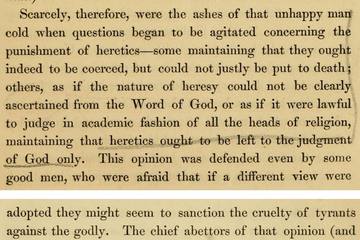
- Beza, De haereticis a civili magistratu puniendisBeza’s “gates of hell” answer to Bellius
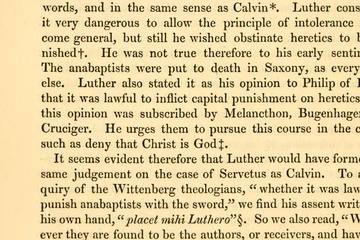
- Henry, The Life and Times of John Calvin, vol. II“Placet mihi Luthero”: Luther signs for the sword
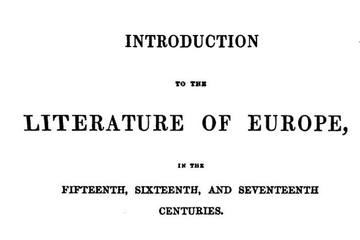
- Hallam, Literature of Europe and Constitutional HistoryHow Lecky quotes Hallam on persecution
- Montaigne, EssaisLecky cuts Montaigne short and changes a word
- Beza, Life of CalvinWho objected to burning Servetus? More people than Lecky says
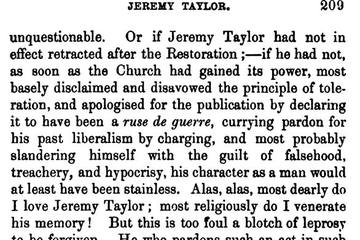
- Coleridge, Notes on English Divines“Most dearly do I love Jeremy Taylor”: Coleridge on a broken principle
Backlinks
Every place in Rationalism in Europe that links to this page (generated automatically when the site is built).