“Miracles delivered by Church-Historians” (p. 269)
English: p. 269, scan. Highlighted: Lecky’s quotation.
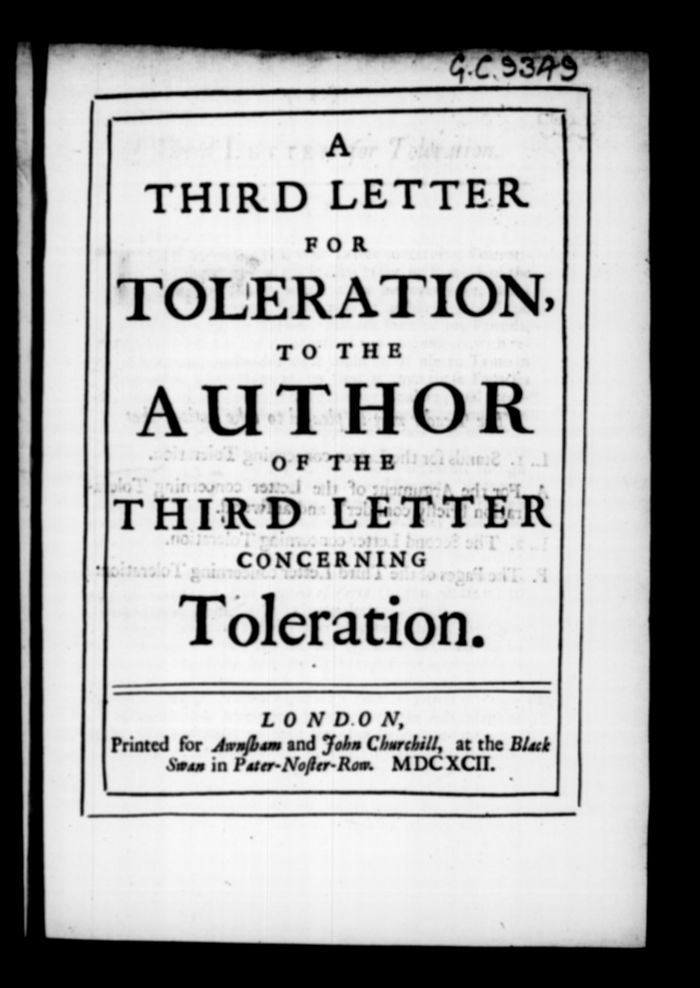
… This being so, you must either deny the Authority of these Fathers, or grant that Miracles continued in the Church after Christianity was received for the Religion of the Empire: and then they could not be to supply the want of the Magistrate’s Assistance, unless they were to supply the want of what was not wanting; and therefore they were continued for some other end. … And so I leave you to dispose of the Credit of Ecclesiastical Writers, as you shall think fit; and by your Authority, to establish or invalidate theirs as you please. But this, I think, is evident, that he who will build his Faith or Reasonings upon Miracles delivered by Church-Historians, will find cause to go no farther than the Apostles time, or else not to stop at Constantine’s: since the Writers after that period, whose Word we readily take as unquestionable in other things, speak of Miracles in their time with no less Assurance, than the Fathers before the 4th Century; and a great part of the Miracles of the 2d and 3d Centuries stand upon the Credit of the Writers of the 4th. So that that sort of Argument which takes and rejects the Testimony of the Ancients at pleasure, as may best sute with it, will not …
Collation with Lecky (ch. II, note 9): “Apostles’ time” for “Apostles time”, “Constantine’s” followed by a comma for a colon, “fourth century” for “4th Century”, and modern spelling and capitals; otherwise identical. Lecky’s “in reply to the Oxford argument” is a fair reading of the context (Locke is answering Proast, of Oxford).
Editor’s notes on this page
Lecky’s quotation is accurate: “This, I think, is evident, that he who will build his faith or reasonings upon miracles delivered by Church historians, will find cause to go no further than the Apostles’ time, or else not to stop at Constantine’s, since the writers after that period, whose word we readily take as unquestionable in other things, speak of miracles in their time with no less assurance than the Fathers before the fourth century; and a great part of the miracles of the second and third centuries stand upon the credit of the writers of the fourth.” The page shows the argument in context: Locke is replying to Proast’s claim (the “Oxford argument” of Lecky’s text) that miracles continued only to supply the want of the magistrate’s assistance, and says that the same Fathers, Athanasius, Chrysostom, Palladius, Rufinus, Jerome and Augustine, report miracles after Constantine.
Further down the rabbit hole
Sources that Lecky cites in the notes next to the ones that cite this page.
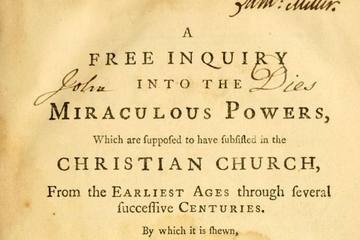
- Middleton, A Free Inquiry into the Miraculous PowersMiddleton’s exorcists and what Lecky altered in quoting him
- Brewster, Memoirs of the Life, Writings, and Discoveries of Sir Isaac NewtonLecky’s Newton quote and the missing last sentence
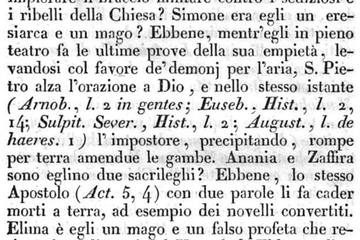
- Muzzarelli, Dell’InquisizioneWhen God stopped striking heretics dead, the Inquisition had to do it
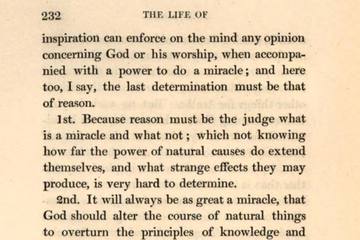
- Locke’s Commonplace Book on Inspiration and MiraclesHume’s argument against miracles, seventy years before Hume
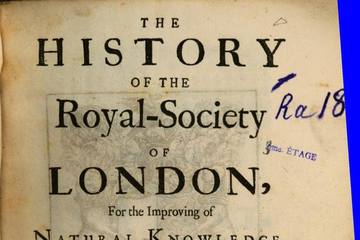
- Sprat, History of the Royal Society of LondonLecky adds ‘a’ to Sprat on miracles
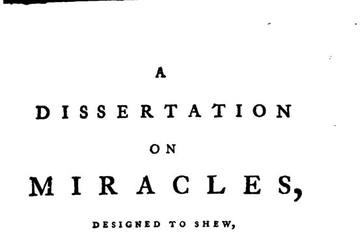
- Farmer, A Dissertation on MiraclesA dissenting minister argues that the Devil cannot work miracles
Backlinks
Every place in Rationalism in Europe that links to this page (generated automatically when the site is built).
- Chapter II: note 9