P. 305: Venice 1518, and Como
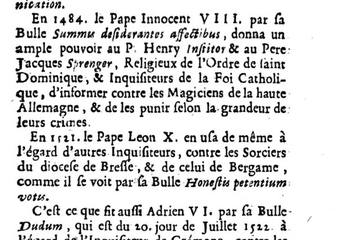
English: London, 1857, vol. I, p. 305 (scan). The text was read from the scan’s text layer; short quotations only. Highlighted: the words Lecky’s sentence rests on.
In 1518, in the Venetian territories, a great number of persons, accused of sorcery and heresy, were condemned by the Inquisition, and handed over to the secular arm […]. But the people of Venice rose up against the Inquisitors, and were hardly to be appeased by the Council.
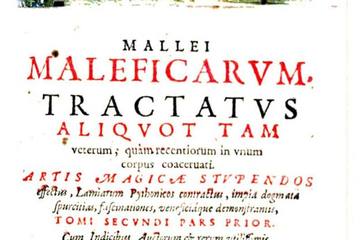
[…] The Dominicans were charged with its execution in Lombardy. In the district of Como alone, the number who perished are estimated by Barth. de Spina (in Malleo Maleficorum) at a thousand a year; and in the space of seven years, in Piedmont, Lombardy, and Mirandola, the number who perished was enormous.
The source is in English, so there is no translation. The passage after the first paragraph, omitted here, is a sentence about Pope Adrian VI’s bull of 1523.
Lecky’s sentence (p. 5, note 5) is: “In Italy a thousand persons were executed in a single year in the province of Como; and in other parts of the country, the severity of the inquisitors at last created an absolute rebellion.” Set against Madden:
| Lecky, 1865 | Madden, 1857 | |
|---|---|---|
| Como | “a thousand persons were executed in a single year in the province of Como” | “the number who perished are estimated by Barth. de Spina … at a thousand a year” in “the district of Como alone”. Lecky’s wording follows Madden’s, and not Spina’s, whose text says more than a thousand were examined and about a hundred burned. |
| The rebellion | “in other parts of the country, the severity of the inquisitors at last created an absolute rebellion” | “the people of Venice rose up against the Inquisitors, and were hardly to be appeased by the Council” (1518). This is the only rising Madden mentions on p. 305. “Absolute rebellion” and “the severity of the inquisitors” are Lecky’s words: Madden says only that the people “rose up” and says nothing here of why. |
| Madden’s source | — | None given on this page for either statement. The Venice rising has not been verified from another source here. |
| Reference | “Madden, vol. i. 305” | Exact: both statements are on p. 305. |
| Scan | vol. I, p. 5 | p. 305 |
So Lecky’s sentence is a compression of Madden’s two sentences, with the “thousand” turned from a figure for those who “perished” into “executed”, and the Venetian rising turned into a general “absolute rebellion”.
What Happened in 1518: A Second Source
Madden gives no source for his sentence about Venice. The event he seems to mean is the Val Camonica witch trials of 1518, when an inquisitor’s court in the Alpine valley north of Brescia (then Venetian territory) burned dozens of people. Two sources were checked:
- Stefano Brambilla and Attilio Toffolo, Lo scontro sulla stregoneria in Valle Camonica tra la Repubblica di Venezia e il Papato nei documenti del 1518–1521 (an introduction and transcription of the Venetian archive documents; PDF), which cites Marin Sanudo’s Diarii and the registers of the Venetian Council of Ten.
- Wikipedia, “Val Camonica witch trials”, a secondary summary that cites no source for the 1518–1521 claims.
What the archival study reports, in summary:
- Between late June and mid-July 1518, an inquisitor’s court in the valley had between 62 and 80 people executed. Sanudo reports the inquisitor saying he had burned about seventy.
- On 14 July 1518 the Venetian Council of Ten, the Republic’s secret executive body, was informed by the Brescia governors. Sanudo says three of its heads wrote to Brescia complaining that they had not been told of so grave a matter, and ordering a halt to further executions.
- On 31 July 1518 the Council ordered that no further proceedings go ahead against the accused, and demanded the trial records and an inquiry into the judges. The study reads this as a defence of Venetian jurisdiction against the Church, and as a response to the property confiscations by the ecclesiastical authorities and the costs borne by the valley’s communes.
- The trial records reached Venice on 11 August; on 12 August the papal nuncio spoke with the Council, and on 23 August the case was referred to him. On 9 September he read Pope Leo X’s brief authorising a review, and the Council said the Bishop of Brescia and his officials had proceeded with great severity and from greed.
- The affair then ran on for years, with Brescia’s governors writing against the Dominicans in the autumn of 1518 and in 1519. The Council issued stricter rules for inquisition trials on 21 March 1521, and on 27 July 1521 formally suspended the proceedings in the valley.
Set against Madden’s sentence:
| Madden, 1857 | Brambilla and Toffolo (from Sanudo and the Council of Ten registers) | |
|---|---|---|
| Who acted | “the people of Venice rose up against the Inquisitors” | The Venetian government, the Council of Ten, intervened. Nothing in the study describes the people of Venice, or of the valley, rising, rioting or protesting. The only open conflict recorded is between the Brescian governors and the Dominican inquisitors, and between rival noble families (Gambara, Bargnani) in which the friars were involved. |
| When | 1518 | 14 July–September 1518, with a long tail to 1521. The suspension Madden’s sentence seems to describe was ordered on 31 July 1518. |
| How it ended | “hardly to be appeased by the Council” | The Council did not appease a crowd; it took over the case, negotiated with the pope’s nuncio, and eventually suspended the trials (27 July 1521). |
| Why | not stated | Jurisdiction, confiscated property, and the cost to the valley’s communes, according to the study’s reading of the documents. |
Verdict: the trials and Venice’s intervention are real and well attested, in Sanudo and in the Council’s own records. A popular “rising” against the inquisitors is not: it is Madden’s wording, and probably a misreading of the Council of Ten’s action as the people’s. So Lecky’s “absolute rebellion” created by “the severity of the inquisitors” rests on an error of Madden’s. What the documents do show is a state resisting an inquisition, not a rebellion by the people. This check is limited: only the study’s introduction and notes were read in full, not all 92 pages of the transcribed trial records, and nothing else on the 1518 events (for example Sanudo’s own text) was read directly.
Sanudo’s Own Entries, Read Directly
Italian: Marino Sanudo, I Diarii, vol. XXV (Venice, 1889), the entries for July–August 1518 (scan; text read from the scan’s OCR layer, which is rough, so only short phrases are quoted and no page images were checked). The edition’s page numbers were not read; the entries are cited by Sanudo’s own dates. These are the entries Brambilla and Toffolo cite for 14 and 31 July 1518.
14 July 1518
In the entry for the day on which the Council of Ten sat with its Zonta on a matter of salt, Sanudo adds a paragraph beginning “È da saper”. Letters had come from Brescia saying that the Inquisitor “haver fato brusar da 70 strige di quelle vale di Valcamonica e altrove”, with their goods taken and given to the churches. Because of this, three heads of the Council of Ten (named as Michiel Salamon, Jacomo Badoer and Alvise Gradenigo) wrote to the Brescia governors, “dolendosi che di tanta cossa non era sta dà alcun aviso” (complaining that no notice of so great a matter had been given). The governors were to halt further executions and tell the Inquisitor that they wished the trial record sent to the heads of the Ten, “aziò vedino la cossa” (so that they might see the matter). The date heading in the scan is garbled (“A dì M.”) and is read as 14 July; it agrees with the date Brambilla and Toffolo give.
31 July 1518
Sanudo’s entry for “A dì ultimo Luio” says the Council of Ten sat in simple (ordinary) session. It records the election of the month’s heads and appointments to the chancery, and a hanging; nothing about Val Camonica, and the phrases the archival study quotes from the Council’s 31 July decision (“nostra ferma intention è de intender tuto el successo…”) were not found anywhere in volume XXV’s text layer. The register itself does contain those phrases (see the next section), so the study took them from the register, or Sanudo’s OCR missed them. Sanudo’s entry for that date does not confirm the 31 July order.
Other entries that bear on the question
- 17 July: a letter from the Brescia governors “si scusano in materia di le strige di Valcamonica” (excuse themselves); the podestà was to ride to the valley and send the record to the heads of the Ten.
- 11–12 August: the trial record from Brescia was presented to the heads of the Ten, and the papal legate had “suspeso” (suspended) the bishop from proceeding further; “di queste strige per la terra si parla”, Sanudo adds (people in the city were talking of these witches). On the 12th the legate spoke with the heads of the Ten at length, with some who had come from Brescia and from the valley.
- August letters copied by Sanudo: a Brescian letter reports about 64 burned in four places in the valley and about 5,000 suspected, and its writer, who saw eight women burned at Pisogne on 17 July, writes that “in lo procedere se usi termini non convenienti” (improper methods were used in the proceedings).
- 23 August: the Council of Ten with its Zonta decided to refer the matter to the papal legate, the bishop of Pola (Altobello Averoldi). Sanudo says that “zerca 62” had been burned alive (about 40 of them women), and that the inquiry “per li Cai di X fu sospesa”. He then lists five “ambassadors of Valcamonica” then in Venice, who appeared before the College and the heads of the Ten to ask the Signoria to continue the inquisition (“supplicando la Signoria vi vadi drio la inquisition”): three priests, the Dominican inquisitor, and two laymen (Bernardin di Bendi and Damian de Federicis of Edolo).
Is any popular unrest mentioned?
In the passages read there is none. Sanudo’s entries record the Council of Ten’s intervention, a dispute between Venice and the Church’s officials, talk in Venice about the trials, and, on 23 August, delegates from the valley asking that the inquisition go on. I searched the surrounding text for words of tumult or revolt (romor, tumult, sollev, ribel, insorg, popolo and similar) in the entries on this affair and found none in connection with it. Nowhere did Sanudo say that “the people of Venice rose up against the Inquisitors”. This reading rests on the scan’s OCR and covers the entries listed above, not every mention of the valley in the volume.
Updated verdict: Sanudo, the best contemporary source, confirms the Council of Ten’s intervention (14 July onward and 23 August 1518) and the numbers of those burned. He records no Venetian popular rising, and the only valley voices he reports in the passages read are on the inquisitors’ side. Madden’s sentence and Lecky’s “absolute rebellion” are therefore unsupported by the contemporary record. One point remains unconfirmed: whether other sources record any local unrest in the valley itself. The 31 July wording is checked in the next section.
The Council of Ten’s Letter of 31 July 1518
The archival study cites this order as “AS. VE, Consiglio dei Dieci, Misto, reg. 42, cc. 128v–129r (31 luglio 1518)”. Andrea Del Col’s account of the case, which the study cites for the numbers (Organizzazione, composizione e giurisdizione dei tribunali dell’Inquisizione romana nella repubblica di Venezia (1500–1550), pp. 250–253), could not be found online, so the wording below is taken from the transcription of the register entry printed in Brambilla and Toffolo’s study (PDF), a modern edition of the 1518 text, with its own modern Italian rendering alongside. The manuscript itself was not seen, and Del Col was not read. Only short phrases of the Venetian are quoted.
What the document is. A letter from the Council of Ten to the governors (rectores) of Brescia, headed “Die suprascripto in Consilio X, consulente collegio, legatis soli” (the same day, in the Council of Ten, the College advising, the legati alone). It names six men: three councillors (Pietro Capello, Pietro Marcello, Luca Tron) and three heads of the Ten, Michele Salamon, Jacopo Badoer and Alvise Gradenigo, the same three heads Sanudo names on 14 July.
The wording of the order.
- It opens by acknowledging letters from Brescia of 29 July and being pleased to learn what the governors had done “in execution di mandati nostri” (in execution of our orders), namely “che per quel reverendo episcopo e sui deputati non se procedi ad ulteriora contra quelli de Valcamonica accusati de heresi” (that the bishop and his deputies not proceed further against those of Val Camonica accused of heresy). So this letter does not start the stop: it reports that an earlier order had been obeyed, which fits Sanudo’s 14 July letter.
- It then orders the podestà to ride at once, in secret, to the bishop and to take “tuti i processi formatisi contra i 62 condennati e brusadi”, and those against all other condemned or accused, and to send them sealed to the heads.
- The bishop’s vicars, the inquisitors and the notaries are to appear at once before the heads, “perché nostra ferma intention è de intender tuto el successo cum ogni verità” (because it is our firm intention to understand the whole outcome in full truth).
- The captain of the valley is to come with a letter written to him by Francesco Fallier, the previous podestà, and with the statute against heretics, and the bishop’s orders on the burnings.
- It repeats the ban: “nullo pacto se precedi ad ulteriora senza expresso ordine e mandato nostro” (in no way is anything further to be done without our express order).
- It asks for an inquiry into whether the accused were led in their answers, whether there were faults in examining witnesses, and how goods were confiscated and divided, with the names and wealth of all the condemned.
- The phrase “havendo questa cosa grandemente a core” (having this matter greatly at heart), which the study attributes to Sanudo’s entry of that date, is in this letter. It was not found in Sanudo’s own entry.
Popular unrest. The letter says nothing about the people, a tumult, or any reaction beyond the inquisitors’ and bishop’s conduct. Its grounds, as written, are the Council’s wish to know the truth and its concern over the procedure and the seizure of property; the study’s reading that it is also a defence of Venetian jurisdiction is the editors’ inference.
Verdict on the wording. Sanudo’s 14 July account and the register’s 31 July letter fit together: the heads of the Ten first told Brescia to stop the executions and send the record (14 July), and on 31 July the full Council confirmed the stop and ordered the records and the people involved brought to Venice. The study’s statement that the Council “decided on 31 July to block” is looser than the document, which refers to an earlier, already obeyed order. Neither document describes a rising. This remains a check through a modern transcription, not the manuscript, and without Del Col.
Editor’s notes on this page
Madden's book is a nineteenth-century medical and historical survey of religious and witch manias. On p. 305 he gives a rapid chronology of papal bulls and trials in Italy. Lecky's note 5 cites “Madden, vol. i. 305”, and it is the source of his claim that “the severity of the inquisitors at last created an absolute rebellion”.
Further down the rabbit hole
Sources that Lecky cites in the notes next to the ones that cite this page.
- Thiers, Traité des SuperstitionsThree papal bulls but no rebellion
- Garinet, Histoire de la Magie en FranceA history of magic in France, from the Frankish kings to the author’s own day
- Michelet, La SorcièreHow many witches were burnt, and when the last: Michelet gives two answers, and Lecky takes one from each
- Spina, Quaestio de Strigibus and ApologiaA thousand examined at Como, a hundred burned
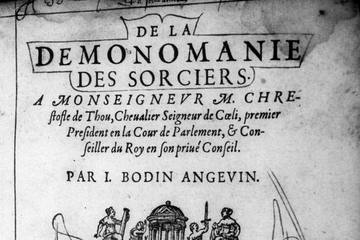
- Bodin, Démonomanie des SorciersThe great lawyer who wrote the witch-hunters’ handbook
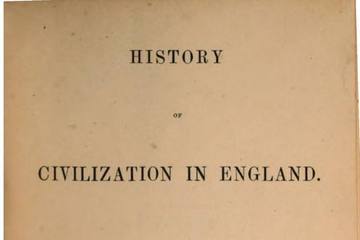
- Buckle, History of Civilization in EnglandWeather and credulity, and the Scottish clergy’s Devil who had been studying for five thousand years
Backlinks
Every place in Rationalism in Europe that links to this page (generated automatically when the site is built).