“Nous devons aux spéculations des scholastiques tous les malheurs …”
French: book XXI, chapter XX (1777 ed., French Wikisource). Highlighted: Lecky’s quotation.
… The Jews, proscribed in turn from every country, found the means of saving their effects. … They invented bills of exchange; and by this means commerce was able to elude violence and maintain itself everywhere … The theologians were obliged to restrict their principles; and commerce, which had been violently tied to bad faith, returned, so to speak, into the bosom of probity. Thus we owe to the speculations of the scholastics all the misfortunes that accompanied the destruction of commerce; and to the avarice of princes the establishment of a thing which puts it in some manner beyond their power.
Original French
… Les Juifs, proscrits tour-à-tour de chaque pays, trouverent le moyen de sauver leurs effets. … Ils inventerent les lettres de change ; & par ce moyen, le commerce put éluder la violence & se maintenir par-tout … Les théologiens furent obligés de restreindre leurs principes ; & le commerce qu’on avoit violemment lié avec la mauvaise foi, rentra pour ainsi dire dans le sein de la probité. Ainsi nous devons aux spéculations des scholastiques tous les malheurs qui ont accompagné la destruction du commerce ; & à l’avarice des princes l’établissement d’une chose qui le met en quelque façon hors de leur pouvoir.
Lecky’s “with a little exaggeration” is his own comment; Montesquieu’s sentence is part of a passage about the Jews and the bill of exchange, which also bears on Lecky’s note 81 (the invention of the letter of exchange).
Editor’s notes on this page
Lecky says Montesquieu, speaking of the scholastic writings on usury, “says, with a little exaggeration”: “Ainsi nous devons aux spéculations des scholastiques tous les malheurs qui ont accompagné la destruction du commerce”. The sentence is the end of a chapter on how commerce emerged in the Middle Ages from the violence against the Jews; Montesquieu continues: “& à l’avarice des princes l’établissement d’une chose qui le met en quelque façon hors de leur pouvoir.” Lecky’s “t Ainsi” is a misread opening quotation mark; “speculations” and “accompagne” are the OCR of his note, which lacks the accents.
Further down the rabbit hole
Sources that Lecky cites in the notes next to the ones that cite this page.
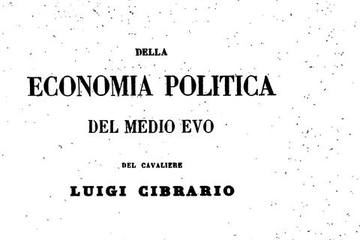
- Cibrario, Della economia politica del medio evoTurin, 1388: a heretic who held that the Devil made Adam and Eve, and that usury was no sin
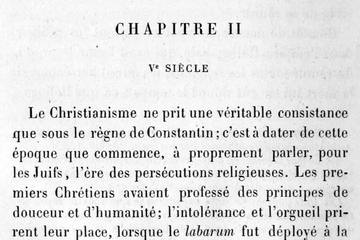
- Bédarride, Les Juifs en France, en Italie et en EspagneWhen Christianity came to power, the Jews’ persecution began, and a Pope wrote that God does not rejoice in bloodshed
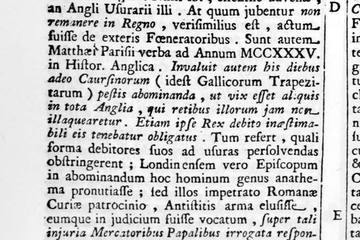
- Muratori, Antiquitates Italicae, dissertation XVI“Sodom and Cahors”: how medieval Christians became moneylenders
- Augustine, Enarratio in Psalmum XXXVI, sermo 3, § 6More than given, even in wheat or wine, is usury
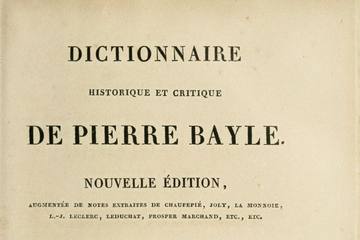
- Bayle, Dictionnaire historique et critiqueWhat Bayle really said about Augustine and Socinus
- Benedict XIV, Vix pervenitAny gain beyond the loan is unlawful usury
Backlinks
Every place in Rationalism in Europe that links to this page (generated automatically when the site is built).
- Chapter VI: note 39