Salvation only in the Church; the synod of Zerta
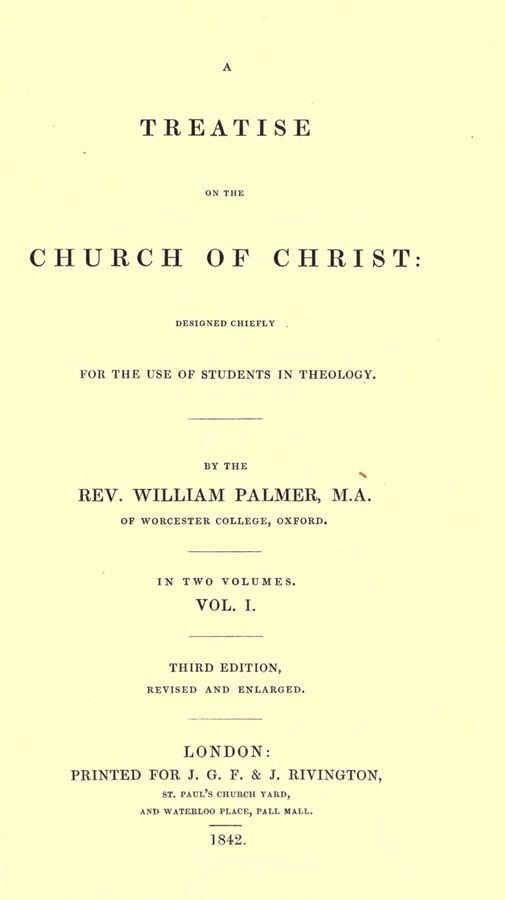
English and Latin: vol. 1, p. 12, scan.
… Cyprian says: “That man cannot have God for his father who has not the church for his mother. …” Augustine continues the chain of tradition thus: “No one cometh to salvation and eternal life, except he who hath Christ for his Head, but no one can have Christ for his Head, except he that is in his body, the church.” Fulgentius observes, that “Without this church neither doth the name of Christian help in any degree, nor doth baptism save, nor is a clean sacrifice offered to God, nor is remission of sins received, nor is the felicity of eternal life found.” These are indeed the sentiments of all the fathers and doctors of the church. I shall only add the testimony of two councils. The synod of Zerta (A.D. 412) said: “Whosoever is separated from this catholic church, however innocently he may think he lives; for this crime alone, that he is separated from the unity of Christ, will not have life, but the wrath of God remaineth on him.”
g “Quisquis ergo ab hac Catholica ecclesia fuerit separatus, quantumlibet laudabiliter se vivere existimet, hoc solo scelere, quod a Christi unitate disjunctus est, non habebit vitam, sed ira Dei manet super eum.” — Concil. Zertense, Harduini Concilia, tom. i. p. 1203.
Lecky’s English (“this statement is said to have been drawn up by St. Augustine. See Hawarden’s Charity and Truth”) differs from Palmer’s only in “the Catholic Church” for “this catholic church” and in punctuation (a semicolon and comma after “lives” and “crime alone”); the Augustine attribution is not on this page.
Editor’s notes on this page
Lecky’s note 21 quotes the synod of Zerta (A.D. 412): “Whosoever is separated from the Catholic Church, however innocently he may think he lives, for this crime alone that he is separated from the unity of Christ will not have life, but the wrath of God remaineth on him.” This is Palmer’s English on p. 12 with “this catholic church” for Lecky’s “the Catholic Church” and different punctuation: Palmer cites the Latin in Harduin, Concilia, tom. i. p. 1203. The page also gives the Fathers Lecky relies on in note 19: Theophilus of Antioch, Origen, Cyprian, Augustine and Fulgentius.
It also bears on the Fulgentius page: Palmer’s Fulgentius sentence (“Without this church neither doth the name of Christian help …”) is cited from De remissione peccatorum, lib. i. c. 22, not from De fide. Lecky’s “§ 22” for a sentence from De fide may be a confusion with this reference; I could not confirm.
Further down the rabbit hole
Sources that Lecky cites in the notes next to the ones that cite this page.
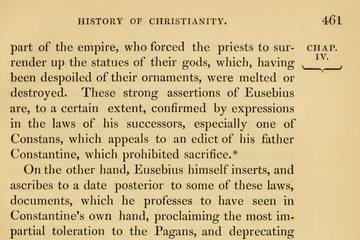
- Milman, The History of ChristianityDid Constantine ban the pagan sacrifices? A dean weighs Eusebius against Constantine
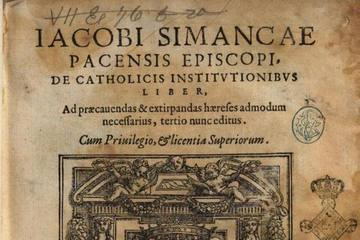
- Simancas, De Catholicis InstitutionibusAn inquisitor’s handbook: no faith with heretics, and torture
- Bossuet, Histoire des variations des Églises protestantesWhat Lecky leaves out of Bossuet on punishing heretics
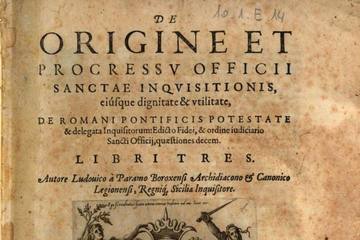
- Paramo, De origine et progressu officii sanctae inquisitionisWhy the dead are tried for heresy
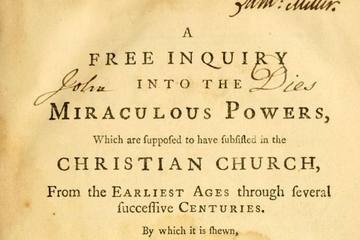
- Middleton, A Free Inquiry into the Miraculous PowersMiddleton’s exorcists and what Lecky altered in quoting him
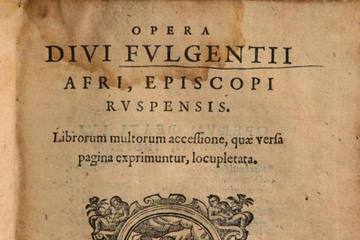
- Fulgentius, De fide ad PetrumUnbaptised infants in fire, no salvation outside the Church
Backlinks
Every place in Rationalism in Europe that links to this page (generated automatically when the site is built).