Orpheus as the Verbo divino (p. 45)
Italian and Latin: p. 45, scan (the long s is printed as s). Highlighted: the sentence behind Lecky’s text and note 10.
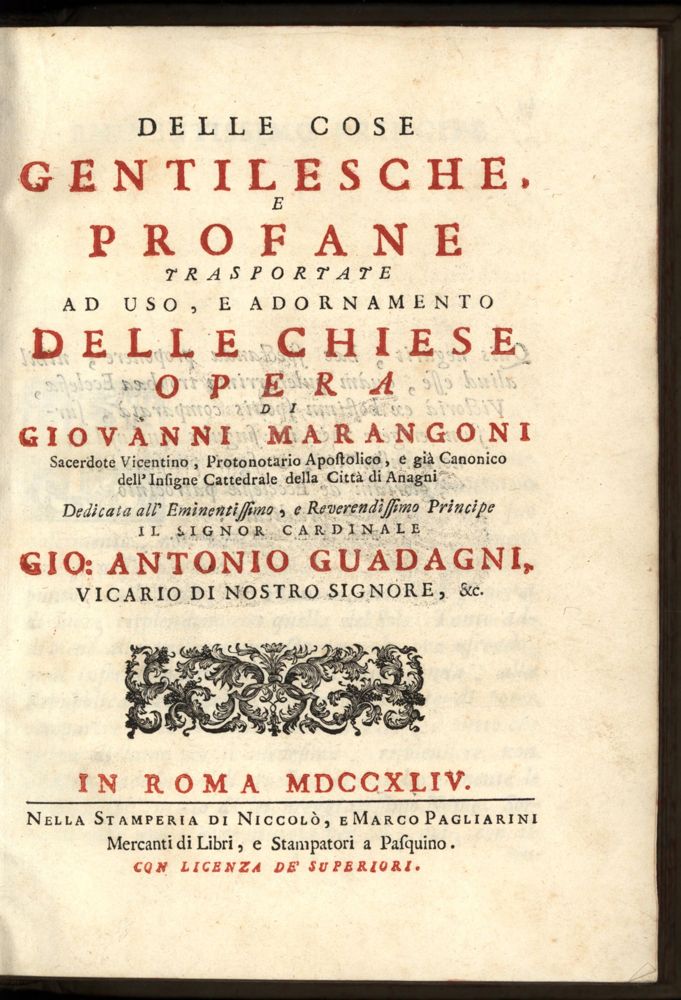
But returning to the image of Orpheus: it was certainly a mysterious fable of the Greeks, to signify the effective eloquence of his words, with which he drew to himself trees and plants and soothed the fiercest animals; meaning by this that with the sweetness of his speech he drew men and their affections to himself … so they invented, or else appropriated to Orpheus, a most eloquent man, the property and efficacy of the Divine Word … All this Eusebius, Bishop of Caesarea, wonderfully explained in his famous Oration in praise of the Great Emperor Constantine; and here are his words: Orpheus, as in the fables of the Greeks, was able by song to soothe all kinds of wild beasts, and by striking the strings of his instrument with the plectrum to calm the fury of savage beasts. …
Original Italian
Ma ritornando all’ Immagine di Orfeo ; ella fu al certo una Misteriosa favola de’ Greci, per dinotare l’efficace eloquenza delle di lui parole, colle quali a se tirasse gl’alberi, e le piante, e mitigasse gli animali più fieri ; volendo con ciò significare, che, colla dolcezza del suo parlare, a se attraeva gl’Uomini, ed i loro affetti … così eglino inventarono, o pure appropiarono ad Orfeo uomo eloquentissimo la proprietà, ed efficacia del Verbo Divino … Tutto ciò mirabilmente spiegò Eusebio Vescovo Cesariense nella sua famosa Orazione delle lodi del Grande Imperadore Costantino ; ed eccone le sue parole : Orphaeus, ut in fabulis est Graecorum, omnia ferarum genera cantu permulcere, et instrumenti fidibus plectro percussis, belluarum immanium furores mitigare potuit. …
The Eusebius passage is the one Lecky’s note 10 cites (“Orpheus is spoken of by Eusebius as in this respect symbolising Christ”). I have not checked Eusebius’s oration itself.
Editor’s notes on this page
Lecky’s text says “Orpheus drawing all men to him by his music, symbolised the attractive power of Christianity” and, in note 10, that Eusebius speaks of Orpheus as symbolising Christ. Marangoni’s p. 45, in his chapter on churches and the Orpheus symbol, says exactly this: the fable of Orpheus drawing trees and beasts by his eloquence is the pagan echo of the Word of God, and he quotes Eusebius’s oration on Constantine in Latin. But Lecky’s notes 11 (the genii of the seasons) and 13 (the pagan aquatic deity) cite the same p. 45, which has nothing on either; the citations seem to be copied forward, or from another edition.
Further down the rabbit hole
Sources that Lecky cites in the notes next to the ones that cite this page.
- Raoul-Rochette, Tableau des catacombes de RomeOrpheus as pagan type with new Christian sense
- Augustine, De civitate DeiSeventy reports, not miracles, and a town, not a province
- Ciampini, Vetera monimentaThe saint’s halo: a sign of eternity, or a shield against pigeons?
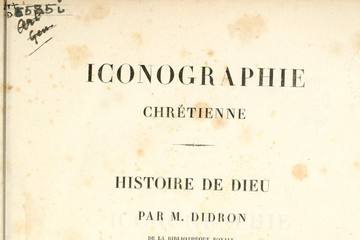
- Didron, Iconographie chrétienneHow medieval art pictured Christ the Judge
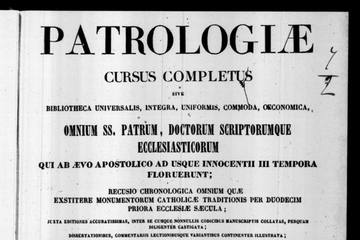
- Tertullian, De baptismoLecky’s two water passages checked against Migne
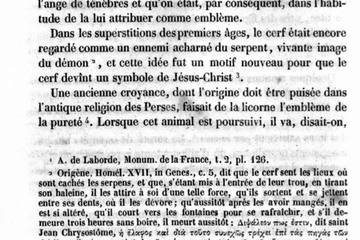
- Maury, Essai sur les légendes pieuses du moyen âgeThe stag that sucks serpents out of their holes, and the angel who carried the star of Bethlehem
Backlinks
Every place in Rationalism in Europe that links to this page (generated automatically when the site is built).