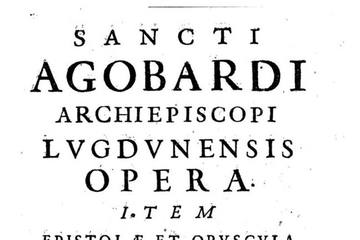
- Agobard, Liber de imaginibusLecky’s five Agobard quotes checked against Baluze
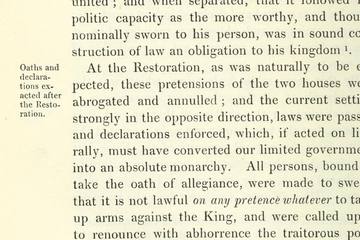
- Allen, Inquiry into the Rise and Growth of the Royal PrerogativeAn oath of non-resistance that outlived the Revolution by some thirty years
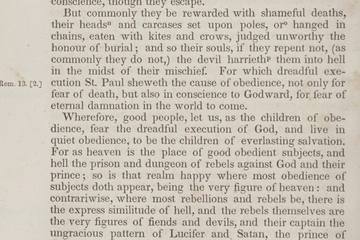
- An Homily against Disobedience and Wilful RebellionHell as the prison of rebels: the Church of England preaches obedience
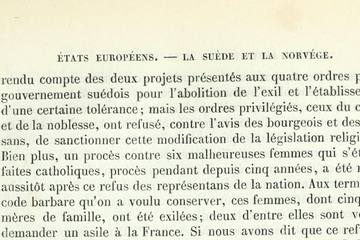
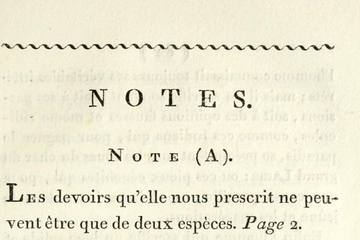
- Annuaire des Deux Mondes, 1857–1858Exiled from Sweden in the 1850s for becoming Catholics
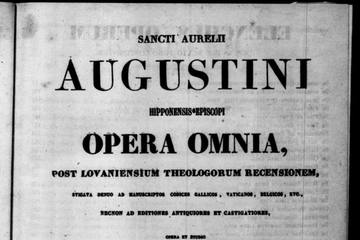
- Augustine, Contra mendaciumAugustine rejects lying even to catch heretics
- Augustine, De civitate DeiSeventy reports, not miracles, and a town, not a province
- Augustine, De natura et gratiaLecky’s three tiny changes to Augustine’s exception
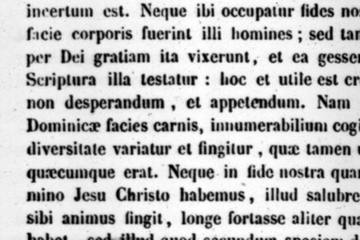
- Augustine, De TrinitateNobody knows what Christ looked like
- Augustine, Enarratio in Psalmum XXXVI, sermo 3, § 6More than given, even in wheat or wine, is usury
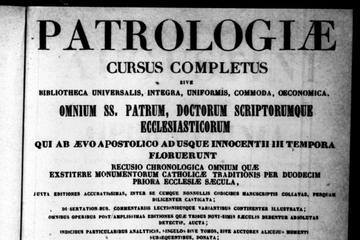
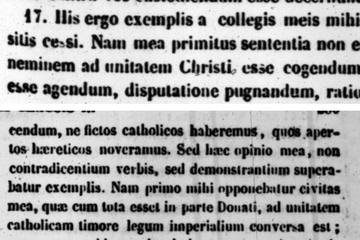
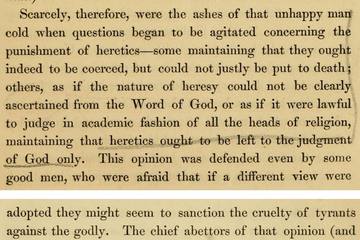
- Augustine, Letters 93 and 185“My opinion at first was that no one should be coerced”: how Augustine changed his mind
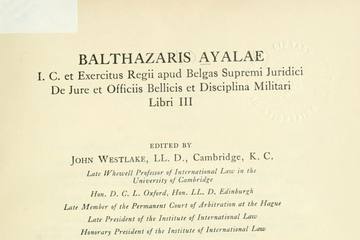
- Ayala, De jure et officiis bellicisAnyone may kill a usurper, not a lawful prince
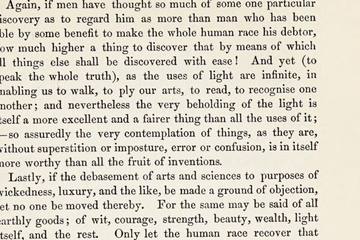
- Bacon, Novum OrganumTruth for its own sake: “more worthy than all the fruit of inventions”
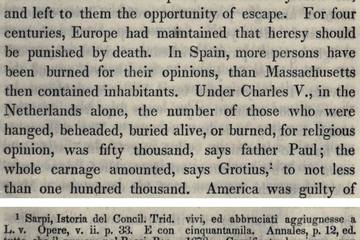
- Bancroft, History of the United States, vol. IHanging Quakers in Boston, and where Lecky’s 50,000 Dutch martyrs came from
- Barrington, Observations on the More Ancient StatutesHenry VIII’s 72,000 hangings, and why English thieves had “better hearts”
- Baxter, A Holy CommonwealthA Puritan’s syllogism against toleration
- Bayle, Commentaire philosophiqueBayle answers the Mosaic law objection to toleration
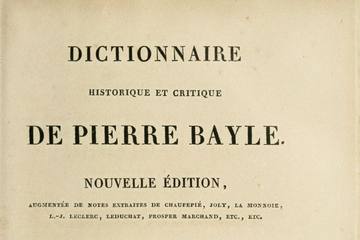
- Bayle, Dictionnaire historique et critiqueWhat Bayle really said about Augustine and Socinus
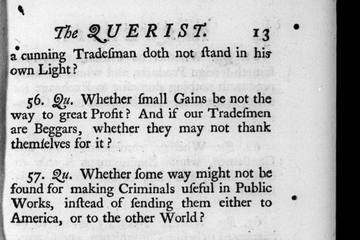
- Berkeley, The QueristA bishop’s questions to Ireland: hard labour instead of the gallows
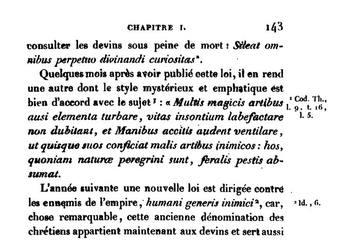
- Beugnot, Histoire de la destruction du paganisme en OccidentConstantius and the ‘enemies of the human race’
- Beza, Life of CalvinWho objected to burning Servetus? More people than Lecky says
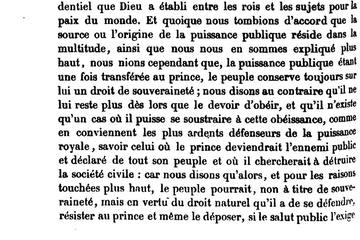
- Bianchi, Traité de la puissance ecclésiastiqueAn Ultramontane friar on when a people may depose its king, and the Scot who ‘sold his pen’ to James I
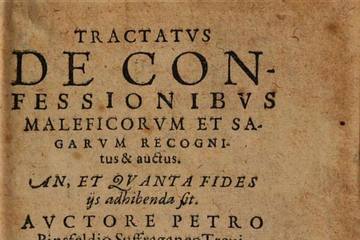
- Binsfeld, Tractatus de confessionibus maleficorum et sagarumThe suffragan bishop of Trier on why witches float, and why women fall
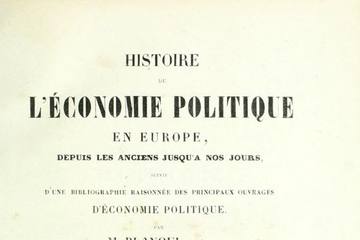
- Blanqui, Histoire de l’économie politique en EuropeHow medieval kings policed luxury, and what Florence spent
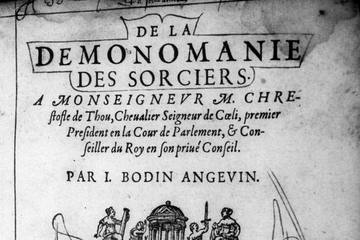
- Bodin, Démonomanie des SorciersThe great lawyer who wrote the witch-hunters’ handbook
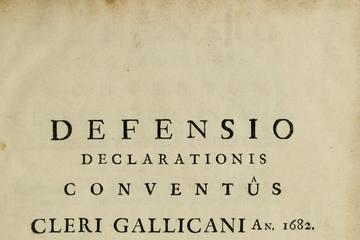
- Bossuet, Defensio declarationis cleri gallicaniKings as fathers: “Abimelech” means “My father the king”
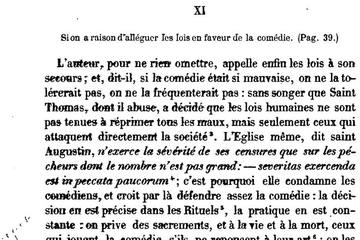
- Bossuet, Maximes et réflexions sur la comédieWhy the Church refused actors communion and Christian burial
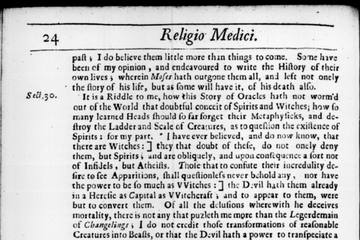
- Browne, Religio MediciA great doctor’s creed: “I have ever believed, and do now know, that there are Witches”
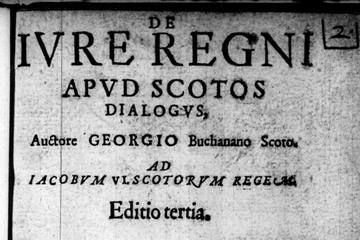
- Buchanan, De jure regni apud ScotosBuchanan’s borrowed maxim about king and law
- Buckle, History of Civilization in EnglandWeather and credulity, and the Scottish clergy’s Devil who had been studying for five thousand years
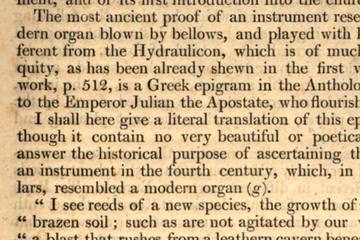
- Burney, A General History of MusicJulian’s epigram: an early organ, or a Scotch bagpipe?
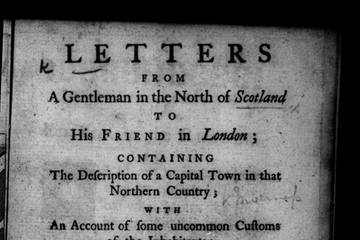
- Burt, Letters from a Gentleman in the North of ScotlandBurt’s 1727 pitch-barrel burning at Dornoch
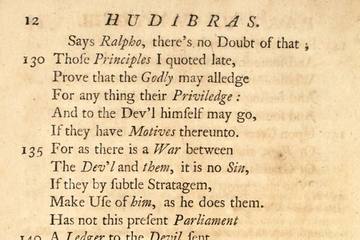
- Butler, HudibrasThe witch-finder who “hang’d threescore of ’em in one Shire”
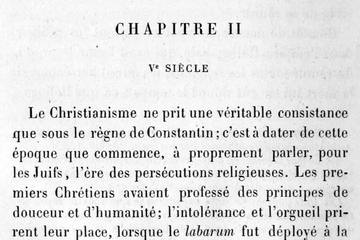
- Bédarride, Les Juifs en France, en Italie et en EspagneWhen Christianity came to power, the Jews’ persecution began, and a Pope wrote that God does not rejoice in bloodshed
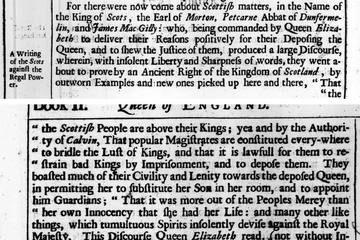
- Camden, Annals of Elizabeth“The Scottish People are above their Kings”: a lecture Elizabeth did not enjoy
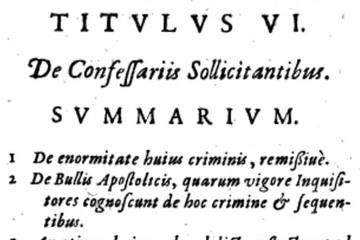
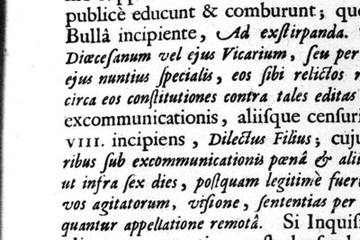
- Carena, De officio Sanctissimae InquisitionisThe Inquisition’s chapter on confessors who seduce their penitents
- Champagny, La Charité chrétienne“Senators labouring in the cells, artisans at rest!”: the early Church in defence of work
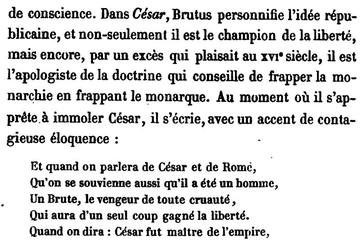
- Chasles, La Comédie en France au seizième siècleA Renaissance Brutus, reprinted when Henri IV was murdered
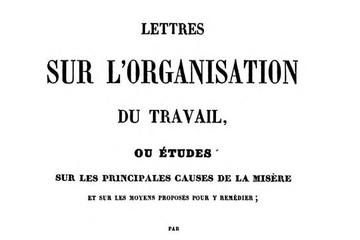
- Chevalier, Lettres sur l’organisation du travailIf the shuttle could weave by itself, there would be no need of slaves: an economist answers the socialists of 1848
- Chillingworth, The Religion of ProtestantsWhy an honest error needs no pardon
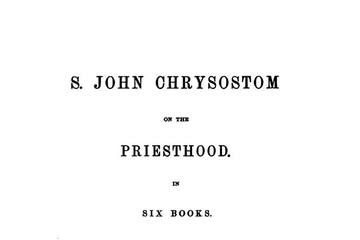
- Chrysostom, On the PriesthoodNot praise of lying, but defence of deceit for good ends
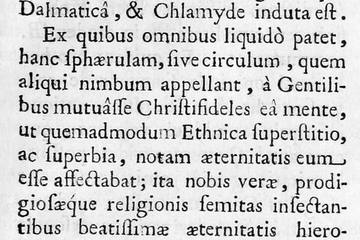
- Ciampini, Vetera monimentaThe saint’s halo: a sign of eternity, or a shield against pigeons?
- Cibrario, Della economia politica del medio evoTurin, 1388: a heretic who held that the Devil made Adam and Eve, and that usury was no sin
- Clement V at the Council of Vienne, Ex graviWhere Lecky stops short of the inquisitors’ order
- Clogy, Memoir of Bishop BedellA Protestant bishop, held by Catholic rebels, keeps Gunpowder Day
- Codex Theodosianus XV.7.8Back to the stage until she is “a ridiculous old woman”: the actress who turned Christian
- Codex Theodosianus XVI.3, De monachisTheodosius banishes the monks to the desert, and lets them back two years later
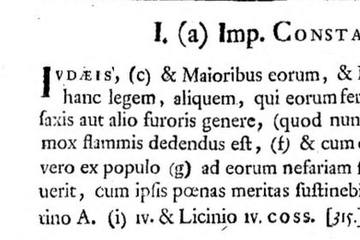
- Codex Theodosianus XVI.8.1 and XVI.10.3Constantine on Jews and converts, and the temples spared for the sake of the games
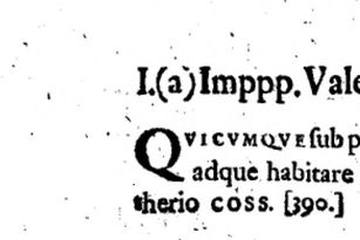
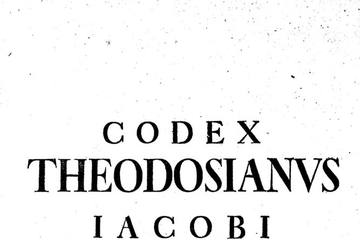
- Codex Theodosianus, IX.16Lecky’s Latin matches the 1738 text word for word
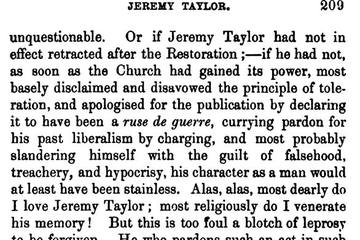
- Coleridge, Notes on English Divines“Most dearly do I love Jeremy Taylor”: Coleridge on a broken principle
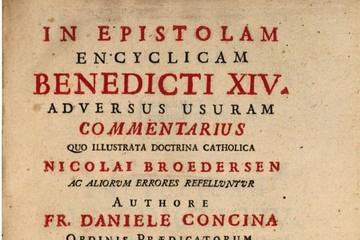
- Concina, Adversus usuram and De spectaculisA Dominican against interest and against the stage: the pope’s own polemicist
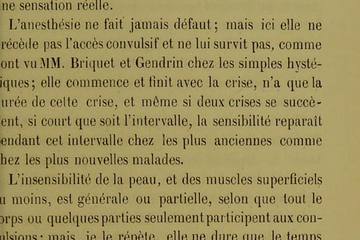
- Constans, Relation sur une épidémie d’hystéro-démonopathie en 1861A village of the “possessed” in 1861, and a doctor’s pin
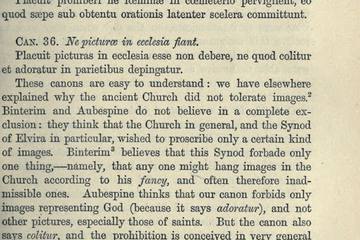
- Council of Elvira, canon 36“Placuit picturas in ecclesia esse non debere”
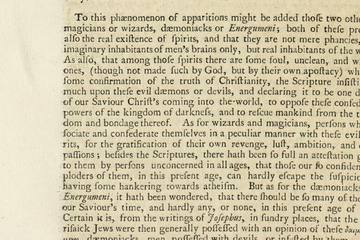
- Cudworth, The True Intellectual System of the UniverseA Cambridge Platonist: to deny witches is to lean towards atheism
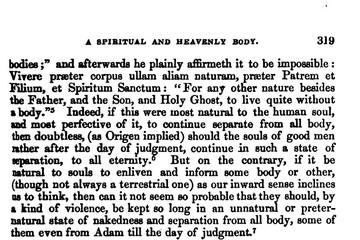
- Cudworth, The True Intellectual System of the Universe, with Mosheim’s notesDid the early Fathers think the soul had a body? Origen, ghosts and Mosheim’s notes
- Cyprian, Epistle 62Death for disobeying the priest: an Old Testament law turned into excommunication
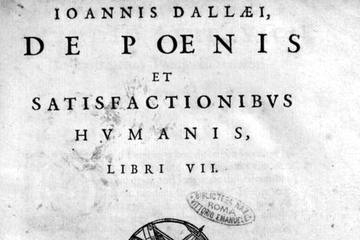
- Daillé, De poenis et satisfactionibus humanisWould even the Virgin Mary pass through the fire? A Protestant reads the Fathers on purgatory
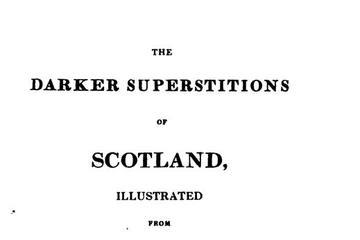
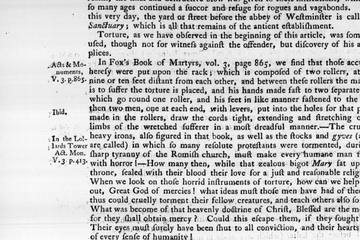
- Dalyell, The Darker Superstitions of ScotlandThe tortures of the Scottish witch-trials
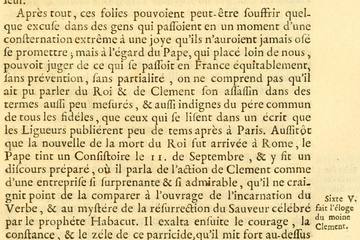
- De Thou, Histoire universelle, book 96A pope praises the murder of a king
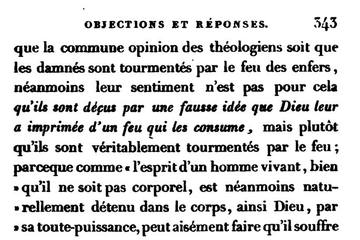
- Descartes, Réponses aux sixièmes objectionsReal fire, or an idea of fire? The damned and the deceiving God
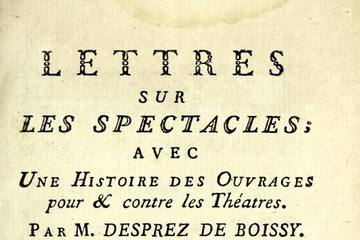
- Desprez de Boissy, Lettres sur les spectaclesA lawyer’s book burnt by the executioner for defending actors, 1761
- Didron, Iconographie chrétienneHow medieval art pictured Christ the Judge
- Discours … par un ministre patrioteOn the eve of the Revolution, a clergyman warns Louis XVI against tolerating Protestants
- Ducellier, Histoire des classes laborieuses en FranceThe Truce of God: from the Church’s peace to the king’s
- Durand, La vie et les sentimens de Lucilio VaniniWere the pagan oracles the Devil’s work? “If Father Baltus wants to believe in them, he is welcome”
- Eden, The State of the PoorBecket’s harvest labour, the 1102 law and Irish slaves
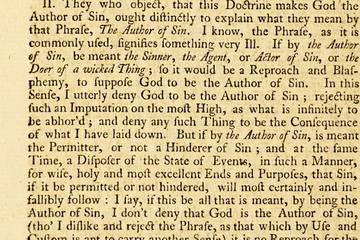
- Edwards, Freedom of the WillThe great Calvinist concedes that God is “the Author of Sin”, in a sense
- Elrington, Life of UssherTwelve Irish bishops declare toleration “a grievous sin” (1626)
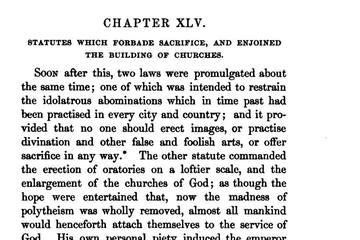
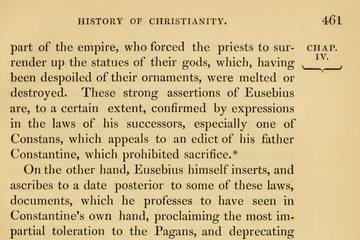
- Eusebius, Life of ConstantineThe emperor’s biographer on the ban on sacrifice: with a translator’s footnote that limits it
- Eymericus, Directorium inquisitorumLecky cuts the sequel to the Barcelona burning
- Farmer, A Dissertation on MiraclesA dissenting minister argues that the Devil cannot work miracles
- Ford, A Handbook for Travellers in SpainThe Alhambra as a tent turned to stone, and the sculptor who prayed before he carved
- Froude, The Nemesis of FaithThe deeper men feel sin, the nearer they drift to Rome: a novel that was burned at Oxford
- Fulgentius, De fide ad PetrumUnbaptised infants in fire, no salvation outside the Church
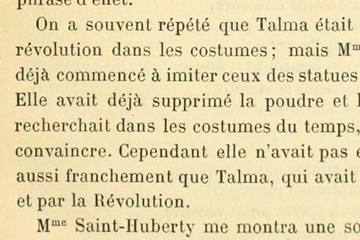
- Fusil, Souvenirs d’une actriceWho took the powdered wigs off Greek heroes? An actress remembers a singer
- Garinet, Histoire de la Magie en FranceA history of magic in France, from the Frankish kings to the author’s own day
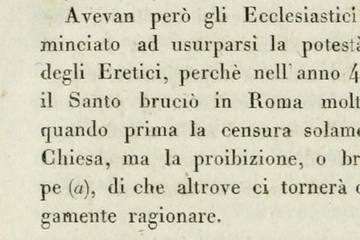
- Giannone, Istoria civile del regno di NapoliThe first pope to burn books on his own authority
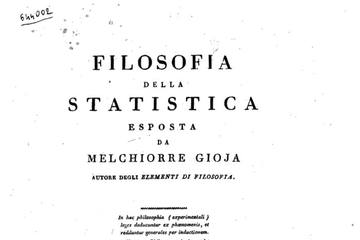
- Gioja, Filosofia della statisticaThe queen who nearly banned Linnaeus for the sex lives of plants
- Gladstone, The State in its Relations with the ChurchThe future Liberal prime minister’s defence of a Church-and-State Toryism
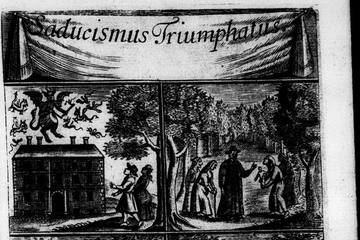
- Glanvill, Saducismus TriumphatusDenying witches is the first step to atheism
- Gregory the Great, Dialogues“I was sitting there upon the lettice, and she came and did eat me”
- Grillandus, De SortilegiisA judge on why sorcerers stay poor
- Grotius, De jure belli ac pacisWhy the early Christians did not resist: Grotius’s witnesses, and a footnote that doubts one
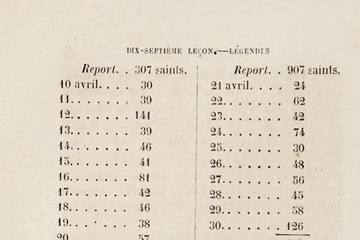
- Guizot, Histoire de la civilisation en FranceHow many saints’ lives are there? Guizot counted April
- Hallam, Literature of Europe and Constitutional HistoryHow Lecky quotes Hallam on persecution
- Hallam, View of the State of Europe during the Middle Ages, vol. 1Hallam quoted, with three small changes
- Harrington, A System of PoliticsA seventeenth-century republican predicts the fall of the French Church and Crown
- Hecker, The Epidemics of the Middle AgesThe dancers’ dislike of pointed shoes, misplaced
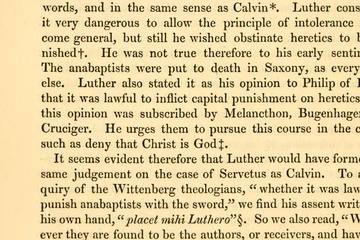
- Henry, The Life and Times of John Calvin, vol. II“Placet mihi Luthero”: Luther signs for the sword
- Hilary of Poitiers, Contra AuxentiumA bishop’s protest: the persecuted Church has become the persecutor
- Hobbes, Leviathan (Latin version), chapter 29Hobbes says classics teach rebellion in monarchies
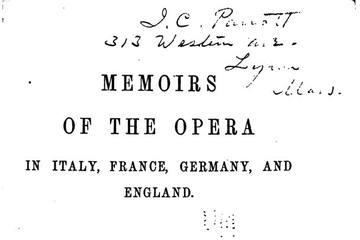
- Hogarth, Memoirs of the OperaLulli’s absolution and Politian’s Orfeo checked against Hogarth
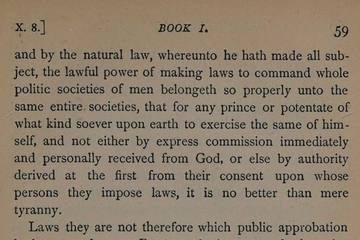
- Hooker, Of the Laws of Ecclesiastical PolityLaws without consent are “no better than mere tyranny”, and what Hooker meant by consent
- Hume, Of the Populousness of Ancient NationsHow exposing children might have raised population
- Hutchinson, An Historical Essay concerning WitchcraftCounting the English witch-trials, and the last three hanged
- Jerome, Contra VigilantiumLecky gives Jerome words he was mocking
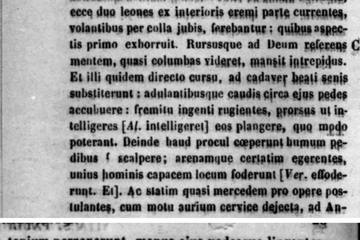
- Jerome, Life of Paul the First HermitA raven’s loaf, doubled for a guest, and two lions at the graveside
- Joyce, England’s Sacred SynodsHow many abbots left the House of Lords? Twenty-seven, twenty-eight or twenty-nine
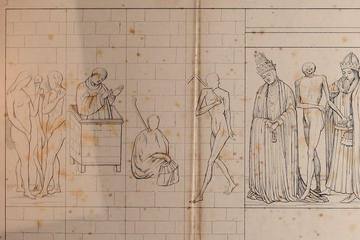
- Jubinal, La Danse des morts de la Chaise-DieuWhy Christian art made death hideous: the Dance of Death
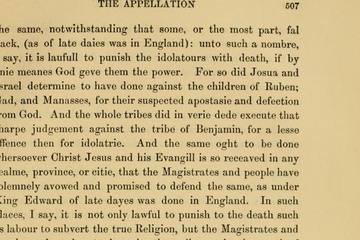
- Knox, The AppellationWhy the English should have put Queen Mary to death
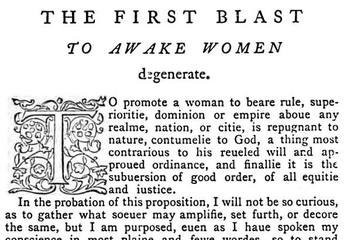
- Knox, The First Blast of the Trumpet against the Monstrous Regiment of WomenThe Scottish reformer’s case that no woman may rule
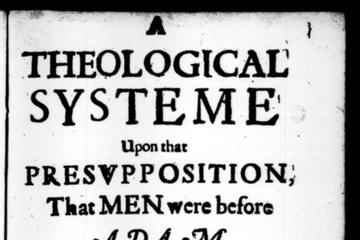
- La Peyrère, Men before AdamWho did Abel guard his sheep against? A 1655 case for people before Adam
- Lactantius, Divine Institutes, Book V“Religion cannot be compelled”: a Christian case for tolerance, written as the persecutions ended
- Laing, Notes of a Traveller on the Social and Political State of France, Prussia, Switzerland, ItalyThe Swiss, moral in conduct yet irreligious
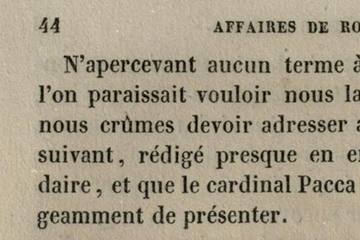
- Lamennais, Affaires de RomeLacordaire’s memorial to the Pope: why the Church in France needed liberty, not privilege
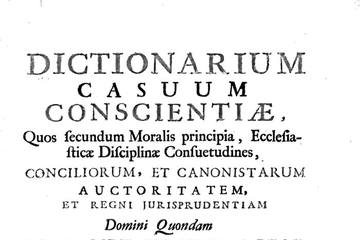
- Lamet and Fromageau, Dictionnaire des cas de conscienceThe Sorbonne answers: three per cent is usury, and every actor is in mortal sin
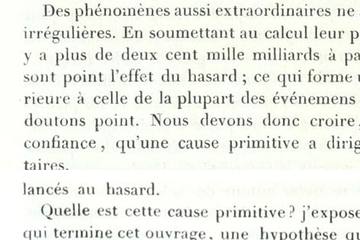
- Laplace, Exposition du système du monde“Deux cent mille milliards à parier contre un”
- Lebrun, Discours sur la comédieWhy actors were buried at night, without priest or prayer
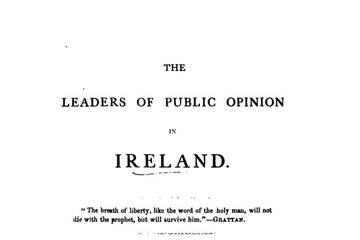
- Lecky, The Leaders of Public Opinion in Ireland (1861)Lecky’s first book, which he cites without naming himself
- Limborch, Historia InquisitionisSix days to burn the heretic, or be excommunicated
- Llorente, Histoire critique de l’Inquisition d’EspagneHow many did the Spanish Inquisition burn? Its former secretary counts
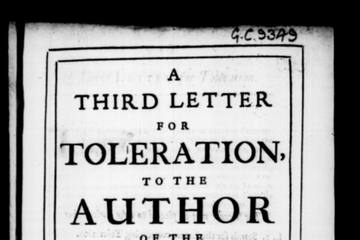
- Locke, A Third Letter for TolerationLecky quotes Locke correctly on miracles after Constantine
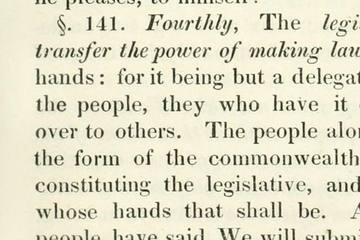
- Locke, Two Treatises of GovernmentNo taxation without consent, and the pulpit’s favourite absolutist
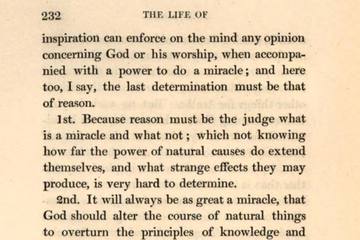
- Locke’s Commonplace Book on Inspiration and MiraclesHume’s argument against miracles, seventy years before Hume
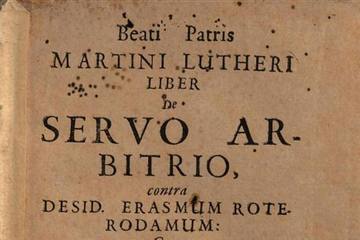
- Luther, De servo arbitrioLecky’s Luther quotes checked against a 1664 edition
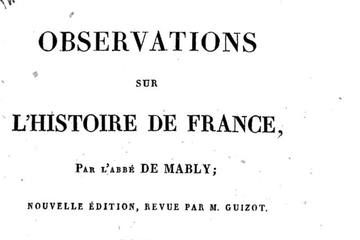
- Mably, Observations sur l’histoire de FranceTwo popes excommunicating each other: how the Great Schism taught Europe to doubt
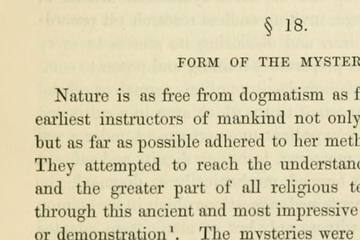
- Mackay, The Progress of the IntellectThe pagan mysteries as “a sacred drama”: the root of Lecky’s history of the theatre
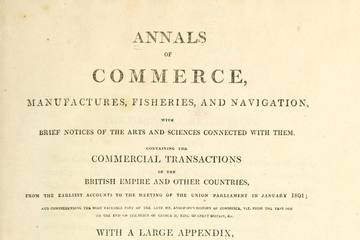
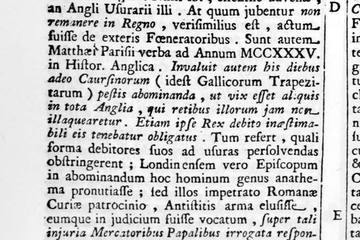
- Macpherson, Annals of CommerceMacpherson’s 1346 consul footnote is not about English consuls
- Madden, PhantasmataAn Irish doctor’s history of delusions, and the witch-burnings in an Alpine valley
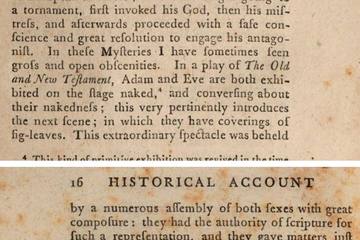
- Malone, Historical Account of the English StageAdam and Eve on the medieval stage
- Mansel and Fitzgerald, Aids to FaithIf a man can throw a stone, God can work a miracle: the Victorian defence of miracles
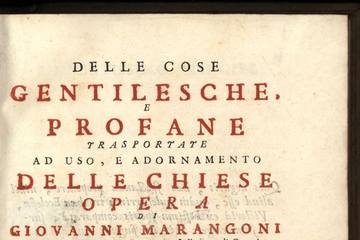
- Marangoni, Delle cose gentilesche e profaneOrpheus as Christ on p. 45; two other notes not there
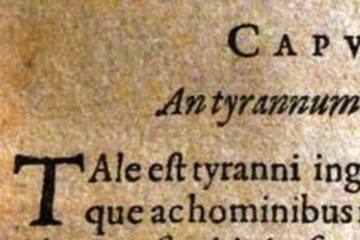
- Mariana, De rege et regis institutioneBook I, chapter 6, “Is it lawful to kill a tyrant?”
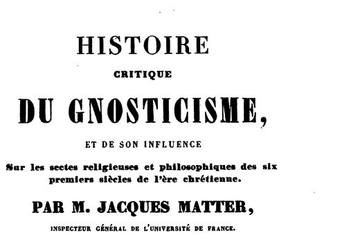
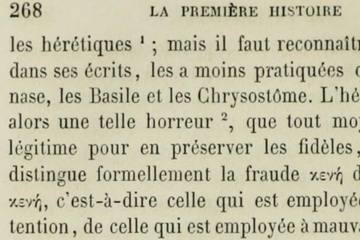
- Matter, Histoire critique du gnosticismeKilled for looking pale: Cathars, fasting and the eleventh-century ‘Manichaeans’
- Maury, Croyances et légendes de l’antiquitéPious frauds “fair play against heretics”, and the woman Simon Magus called the Thought of God
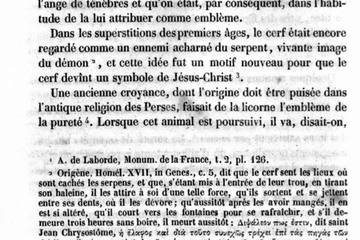
- Maury, Essai sur les légendes pieuses du moyen âgeThe stag that sucks serpents out of their holes, and the angel who carried the star of Bethlehem
- Maury, La magie et l’astrologieRoman laws against diviners, the first medieval doubters, and the praying heretics
- Michelet, La SorcièreHow many witches were burnt, and when the last: Michelet gives two answers, and Lecky takes one from each
- Michelet, Louis XIV et la révocation de l’Édit de NantesJurieu stands alone against Bossuet; the gentle Saurin works for Louis XIV
- Middleton, A Free Inquiry into the Miraculous PowersMiddleton’s exorcists and what Lecky altered in quoting him
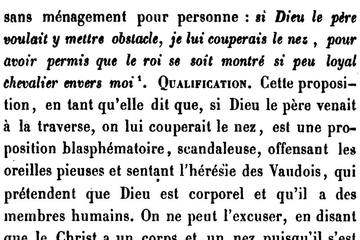
- Mignet, Antonio Perez et Philippe II“I would cut off God the Father’s nose”: how the Inquisition caught a king’s fallen secretary
- Milman, The History of ChristianityDid Constantine ban the pagan sacrifices? A dean weighs Eusebius against Constantine
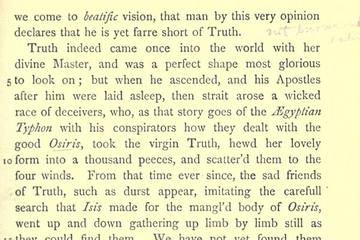
- Milton, AreopagiticaTruth torn to pieces like Osiris, and why the search must not be licensed
- Milton, Of True ReligionMilton’s last pamphlet: toleration for every Protestant, none for the Mass
- Minucius Felix, OctaviusThe subtle fire that burns and restores
- Molina, De justitia et jureWhat Lecky left out of Molina on killing tyrants
- Montaigne, EssaisLecky cuts Montaigne short and changes a word
- Montalembert, Le Père LacordaireThe heresiarch who took no one with him
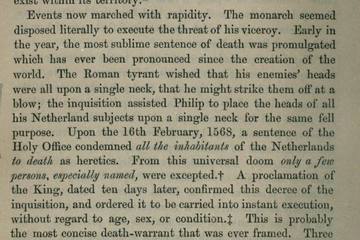
- Motley, The Rise of the Dutch RepublicThree million people sentenced to death in three lines
- Muratori, Antiquitates Italicae, dissertation XVI“Sodom and Cahors”: how medieval Christians became moneylenders
- Muzzarelli, Dell’InquisizioneWhen God stopped striking heretics dead, the Inquisition had to do it
- M’Crie, Life of John Knox“One mass is more fearful to me than ten thousand armed enemies”, and the biographer who excused it
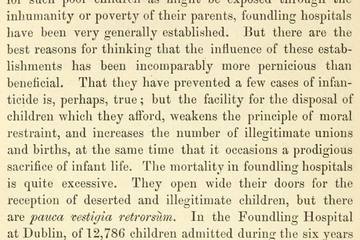
- M’Culloch, Principles of Political Economy and the Wealth of NationsFoundlings, Calvin on interest, and Scotland’s last serfs, in a Victorian economist’s footnotes
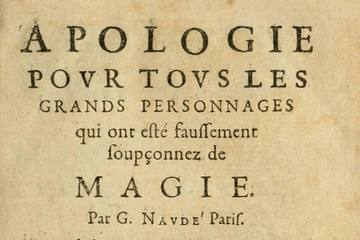
- Naudé, Apologie pour tous les grands personnages qui ont esté faussement soupçonnez de magieA librarian clears the great men of magic: Pope Sylvester, Pietro d’Abano, Agrippa
- Neal, The History of the PuritansA boy king signs a death warrant in tears, and the Presbyterians’ heresy law of 1648
- Neander, Lectures on the History of Christian DogmasNeander’s Socinus and Zwingli on original sin
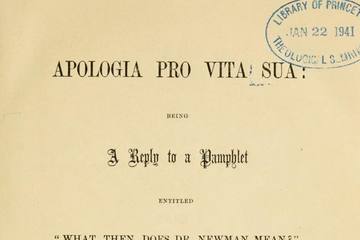
- Newman, Apologia pro Vita SuaWhen is an untruth not a lie? Newman’s answer, and the emphasis Lecky added
- Newman, Difficulties felt by Anglicans“The Nation being on its way to give up revealed truth”: a premise Newman went on to reject
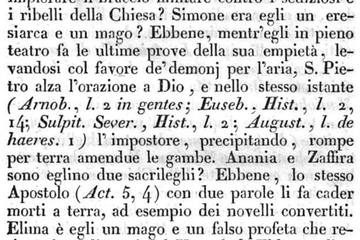
- Newman, Essay on the Miracles of the Early Ages“No presumption whatever against miracles” after the Apostles
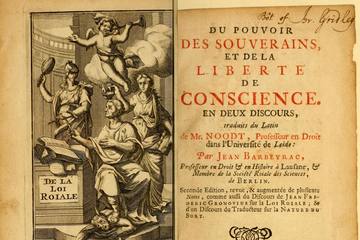
- Noodt and Gronovius, Du pouvoir des souverainsTwo Leiden lectures on liberty, in John Adams’s own copy
- Palmer, A Treatise on the Church of Christ“Whosoever is separated from the Catholic Church … will not have life”
- Paramo, De origine et progressu officii sanctae inquisitionisWhy the dead are tried for heresy
- Pecchio, Storia della economia pubblica in ItaliaNo manuscript of Roman laws on this page
- Pitcairn, Ancient Criminal Trials in ScotlandIsobel Gowdie’s confessions, and who took them
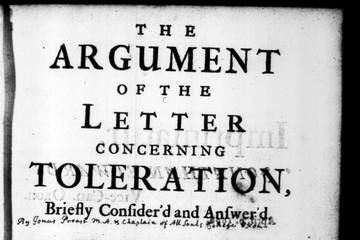
- Proast, The Argument of the Letter concerning TolerationLocke’s Oxford opponent, licensed by the Vice-Chancellor
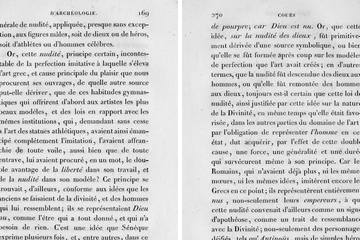
- Raoul-Rochette, Cours d’archéologieWhy Greek statues were naked: “God is naked”, and emperors stripped for apotheosis
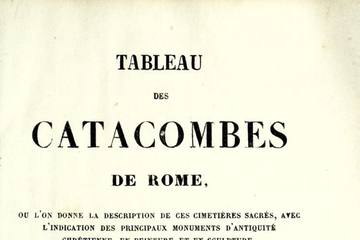
- Raoul-Rochette, Tableau des catacombes de RomeOrpheus as pagan type with new Christian sense
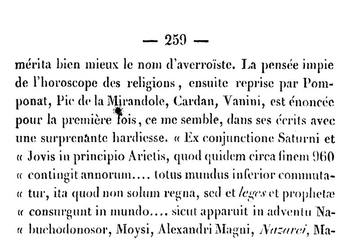
- Renan, Averroès et l’averroïsmePietro d’Abano, the stars and the prophets: and were his bones burned or a dummy?
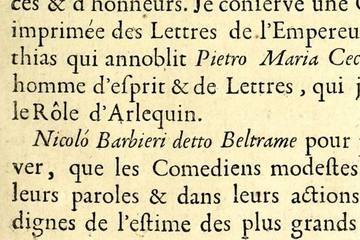
- Riccoboni, Histoire du théâtre italienAn Italian actor claims Tartuffe and Harlequin for Italy
- Rio, De l’art chrétienHow oil painting reached Italy, and why its bringer preferred Venice
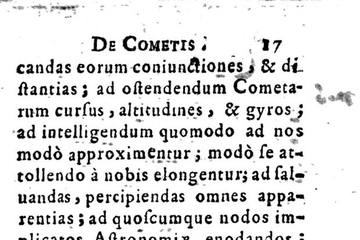
- Roccamora, Tractatus de cometisDo comets kill kings? A Roman treatise of 1670 weighs the arguments
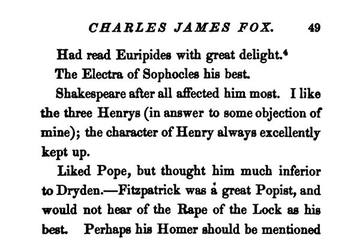
- Rogers, RecollectionsCharles James Fox at table: “The only foundation for toleration is a degree of scepticism”
- Rose, The State of Protestantism in GermanyDid Kant make the German theologians rationalists? Not quite, says an English critic
- Rousseau, Du contrat socialWhy civil and theological intolerance cannot be split
- Sarpi, Historia dell’origine, forma, leggi ed uso dell’ufficio dell’InquisizioneA Venetian friar on how churchmen changed their tune about princes
- Sarpi, History of the Council of Trent, Book VWhere Lecky’s figure of 50,000 Dutch martyrs comes from
- Say, OlbieThe Talapoin on one foot: virtue and utility
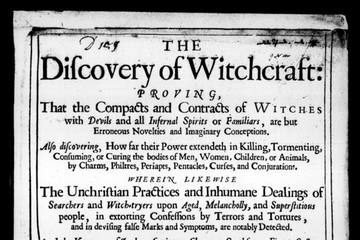
- Scot, The Discovery of WitchcraftNot torture, but tricks for examining witches
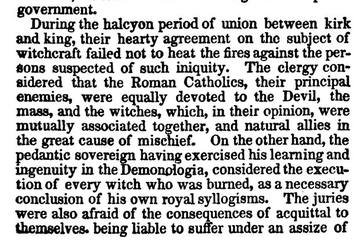
- Scott, Letters on Demonology and WitchcraftKing James, the kirk, and witch-burning as a “royal syllogism”
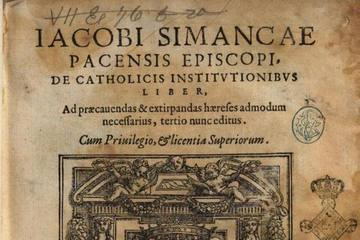
- Simancas, De Catholicis InstitutionibusAn inquisitor’s handbook: no faith with heretics, and torture
- Sleidan, The General History of the ReformationShould all Jewish books be burned? Reuchlin said no, and Europe took sides
- Socrates, Ecclesiastical HistoryThe monk who would not undress to cross a river, and the eighty priests burnt at sea
- Spina, Quaestio de Strigibus and ApologiaA thousand examined at Como, a hundred burned
- Sprat, History of the Royal Society of LondonLecky adds ‘a’ to Sprat on miracles
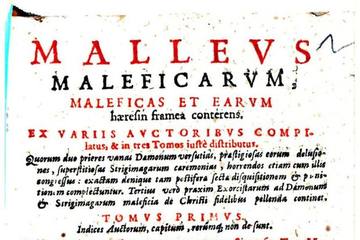
- Sprenger, Malleus MaleficarumThe witch-hunters’ handbook of the fifteenth century
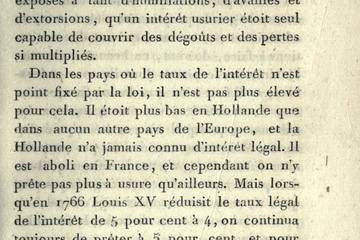
- Storch, Cours d’économie politiqueA tutor to the Russian grand dukes on usury laws that backfire
- Strutt, Horda Angel-cynnan; or, the Manners and Customs of the Inhabitants of EnglandGod on the upper stage and the Devil at Coventry: an antiquary’s view of old England
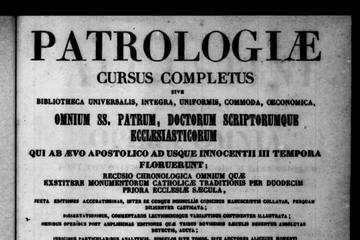
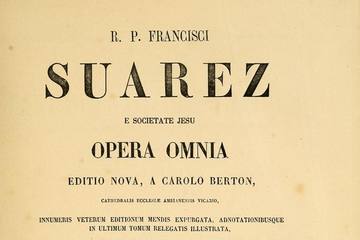
- Suárez, Defensio fidei catholicae, Book VIMay the Pope release subjects from their oath to a king? The Jesuit reply to James I
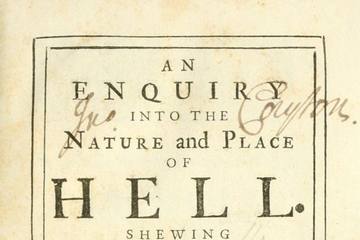
- Swinden, An Enquiry into the Nature and Place of HellAn Anglican clergyman proves that hell is in the sun
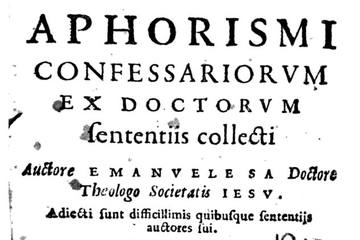
- Sá, Aphorismi confessariorumLecky quotes Sá word for word on tyrants
- Tallemant des Réaux, HistoriettesCardinal Richelieu goes shopping for a banned book, and pays five pistoles for loose sheets
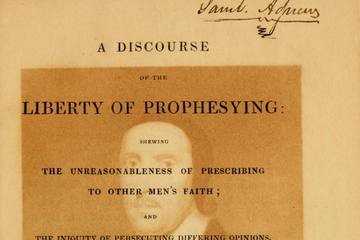
- Taylor, A Discourse of the Liberty of ProphesyingLecky quotes Taylor accurately on water and Spirit
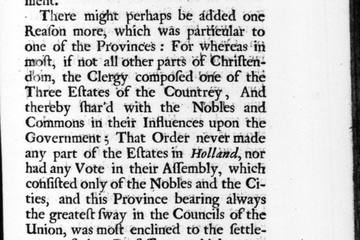
- Temple, Observations upon the United ProvincesWhy Holland was tolerant: an English ambassador’s answer
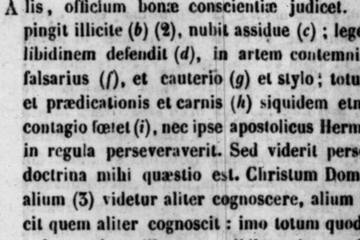
- Tertullian, Adversus Hermogenem“Pingit illicite, nubit assidue”: the painter-heretic
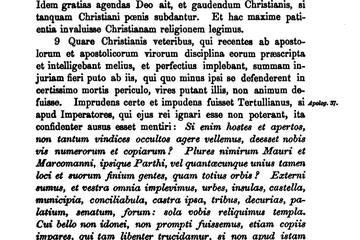
- Tertullian, ApologeticumWhat Lecky leaves out of Tertullian on fear
- Tertullian, De animaLecky’s almost exact quote on the bodily soul
- Tertullian, De baptismoLecky’s two water passages checked against Migne
- Tertullian, De spectaculisLecky’s Latin quotation is accurate but not exact
- The Life of the Rev. Joseph Blanco WhiteSouthey explains the Whigs: Fox “is said to have died an unbeliever”
- Thiers, Traité des SuperstitionsThree papal bulls but no rebellion
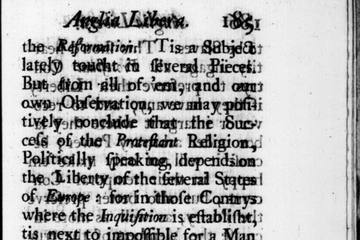
- Toland, Anglia LiberaA freethinker argues that Protestantism needs free states to survive
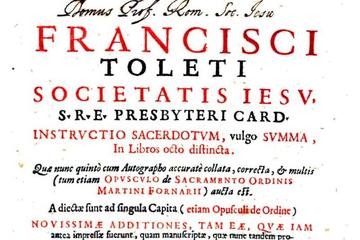
- Toletus, Instructio sacerdotumA usurper may be killed, a lawful tyrant may not
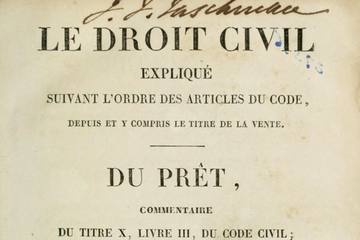
- Troplong, Du prêt: the history of lending at interest“The people cannot live without loans”: a French judge’s history of usury, Lecky’s source for Nicaea and St Louis
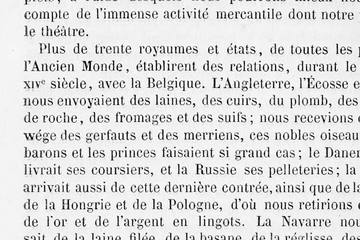
- Van Bruyssel, Histoire du commerce et de la marine en BelgiqueThirty kingdoms trading with Flanders, and a friar who called murder ‘meritorious’
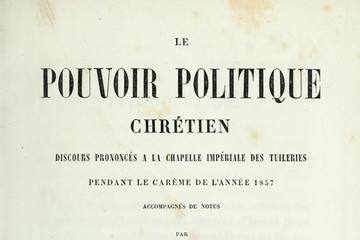
- Ventura, Le pouvoir politique chrétienOne religious journal in Catholic Austria
- Vindiciae contra tyrannosElijah’s massacre of the priests of Baal as a precedent for lawful rebellion
- Vitet, Études sur l’histoire de l’artWhy the saints in Rome’s mosaics grew ugly: Lecky blames the monks, his source blames the barbarians
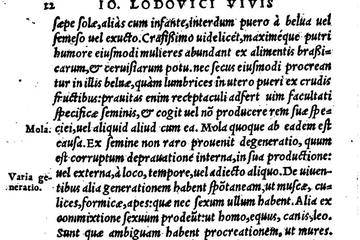
- Vives, De anima et vitaSpontaneous generation, and the mice
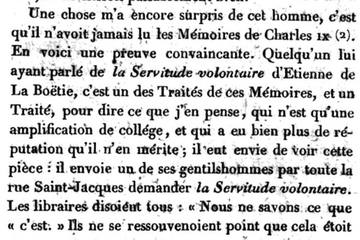
- Voltaire, Lettres philosophiques, XIVDescartes, who spent his wits on new proofs of God, accused of atheism
- Wall, The History of Infant BaptismWall’s two firsts, and the hedge Lecky dropped
- Wier, De praestigiis daemonumThe physician who doubted the witches, and the council that banned dancing bears
- Wright, Narratives of Sorcery and MagicWright’s six hundred at Bamberg is on p. 326
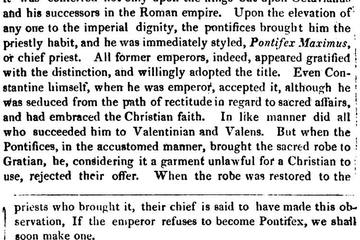
- Zosimus, New History, Book IVThe emperor who refused to be high priest, and the pagan pun that followed
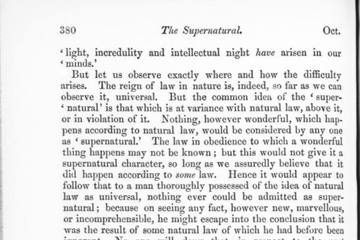
- “The Supernatural”, Edinburgh Review, October 1862Can a believer in universal natural law accept a miracle?









Every source page is listed, with or without a picture, on the Sources page. Or open one at random.